Luxury is no longer defined by opulence alone.
Today’s guest seeks experiences that transcend beyond just plush, to those that are immersive, authentic and memorable. Trends and evidence suggest that guests seek stories rather than products, and value craftsmanship over commoditization. Globally, we find them increasingly drawn towards brands that demonstrate purpose, sustainability and ethical business practices.
This shift is redefining how hospitality is both designed and perceived.
Across hotels, resorts and restaurants around the world, exceptional service, premium amenities and beautiful spaces have become an expected normal. What truly differentiates a property today is its ability to create meaningful experiences that guests remember, share and return for.
This philosophy has been the core of the Dilmah School of Tea, ever since its inception in 2009.
Over 95 editions, the School of Tea has welcomed thousands of hospitality professionals from around the world, including General Managers, Executive Chefs, Food & Beverage Directors and hospitality entrepreneurs. While tea remains at its heart, the programme has evolved into something much bigger; an innovation platform that challenges hospitality leaders to rethink how experiences are created, delivered and monetized, and one of the most common perceptions it challenges is that tea is simply a beverage.
Instead, at the Dilmah School of Tea, participants discover tea as a platform for storytelling, gastronomy, wellness, sustainability and bespoke guest engagement. More importantly, they discover its unexpected potential as a driver of revenue-growing differentiation.
From Beverage to Experience
Consider wine. Over time, what was once considered a mere beverage has now transformed into an experience through tastings, pairings and storytelling. Coffee has followed a similar journey, with provenance and craftsmanship becoming central to its appeal.
Tea presents a similar if not more lucrative opportunity, and whilst containing an incredible wealth of value to its drinker, this universe of possibly has remained untapped.
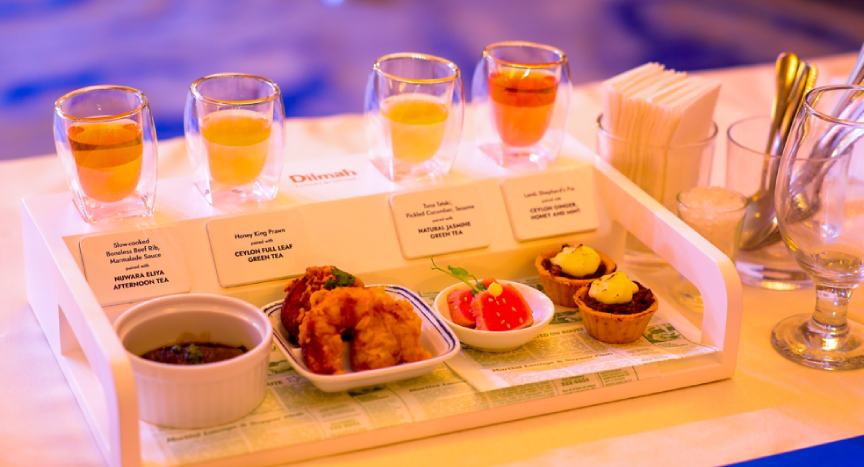
Forward-thinking hospitality operators are increasingly using tea to elevate guest experiences across multiple touchpoints. Tea-inspired breakfasts, tea gastronomy, tea and food pairings, tea mixology programmes and wellness rituals are creating new ways to engage guests while enhancing perceived value and an understanding of the potent powers of tea.
These concepts are not designed simply to increase tea consumption. They are designed to create memorable experiences that encourage longer engagement, stronger loyalty and greater guest spend. In an increasingly competitive marketplace, that distinction matters.
Responding to the Ask of the Modern Luxury Traveller
Today’s luxury traveller is more conscious than ever before. Guests want to know where products come from, how they are produced and what impact they create. They seek authenticity, provenance and purpose.
Tea naturally provides a powerful platform for delivering these expectations. From the story of the tea garden and the craftsmanship of tea makers to ethical sourcing and environmental stewardship, tea introduces a narrative that enriches the guest experience.
When storytelling is combined with thoughtful presentation and service rituals, a simple cup of tea becomes something far more meaningful, it becomes a moment worthy of memory.
A Foundation Built on Purpose
The Dilmah School of Tea’s uniqueness is in its offering beyond mere hospitality innovation. Participants are introduced to the philosophy that has guided Dilmah since its inception: business as a matter of human service.
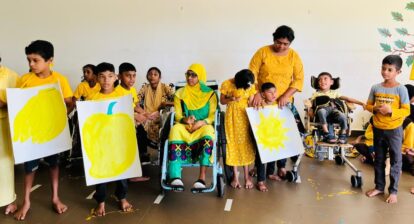
Through exposure to the work of the MJF Charitable Foundation and Dilmah Conservation, hospitality professionals the world over witness a demonstration of how commercial success can create immeasurable positive impact for people and nature.
At a time when guests increasingly support brands that align with their values, this connection between purpose and hospitality has never been more relevant.
Looking Ahead
As guest expectations continue to evolve, hospitality leaders must look beyond traditional definitions of luxury and focus on creating magic that inspires, engages and connects.
Over the past 17 years, the Dilmah School of Tea has proved that tea is far more than a beverage; it is a catalyst for innovation, a platform for storytelling and a driver of commercial growth.
Because the future of hospitality will not be defined by who serves the best product.
It will be defined by who creates the most meaningful experience.
And sometimes, that opportunity begins with something as simple as a cup of tea.