When we think of climate action, our minds often jump to new technologies, innovations, and modern solutions. But sometimes, the answers we need have been with us all along.
This World Environment Day, under the theme “Climate Action” and the focus “Inspired by Nature. For Climate. For Our Future,” we turned to something deeply rooted in Sri Lanka’s own heritage.
An Ancient Solution for a Modern Challenge
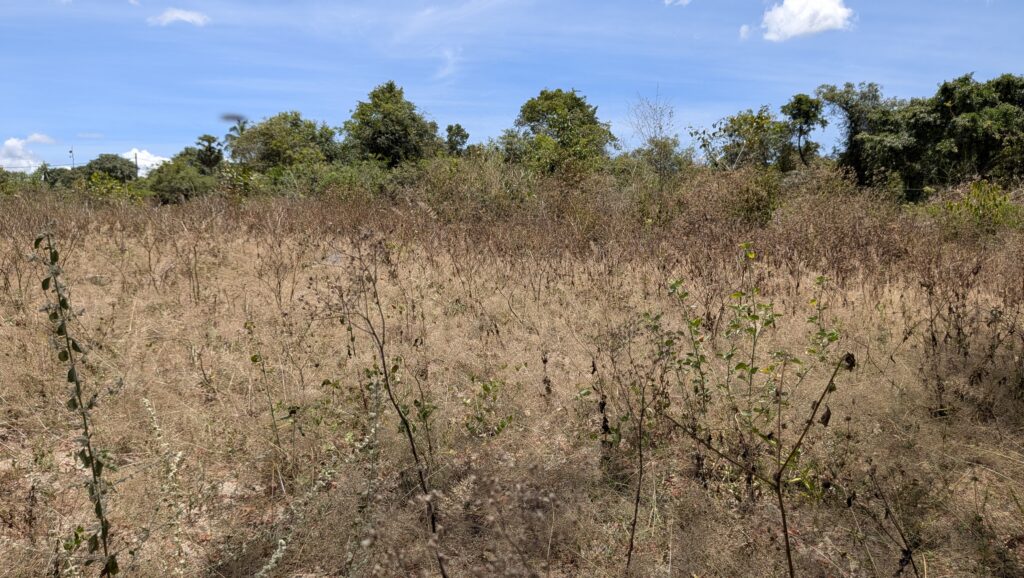
Across Sri Lanka’s dry zones, farmers are facing increasingly unpredictable weather. Longer dry spells, rising temperatures, and water scarcity are making it harder to grow crops and sustain livelihoods along with climate change.
In response, we looked back to an indigenous farming practice that has quietly stood the test of time: pitcher irrigation.
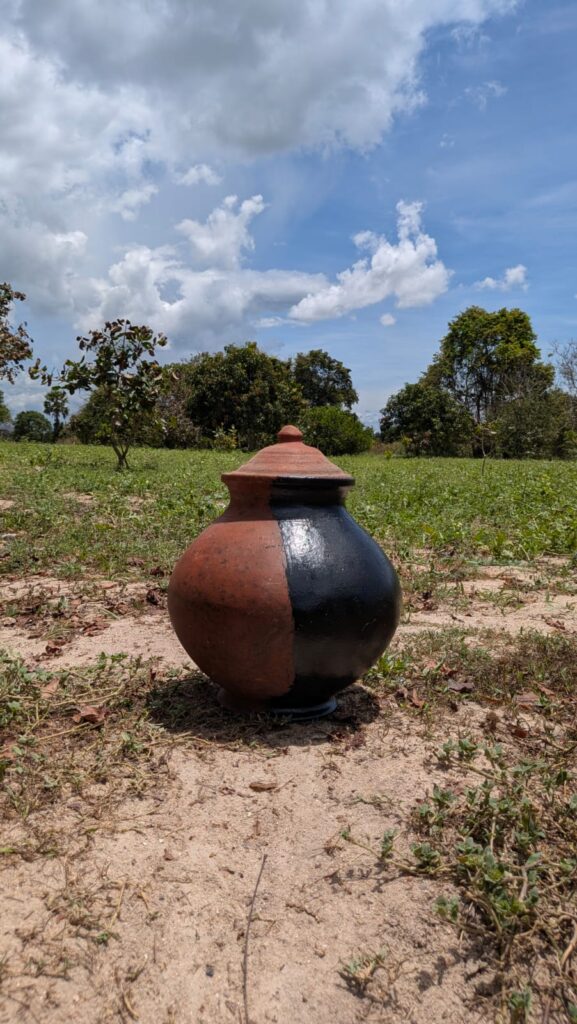
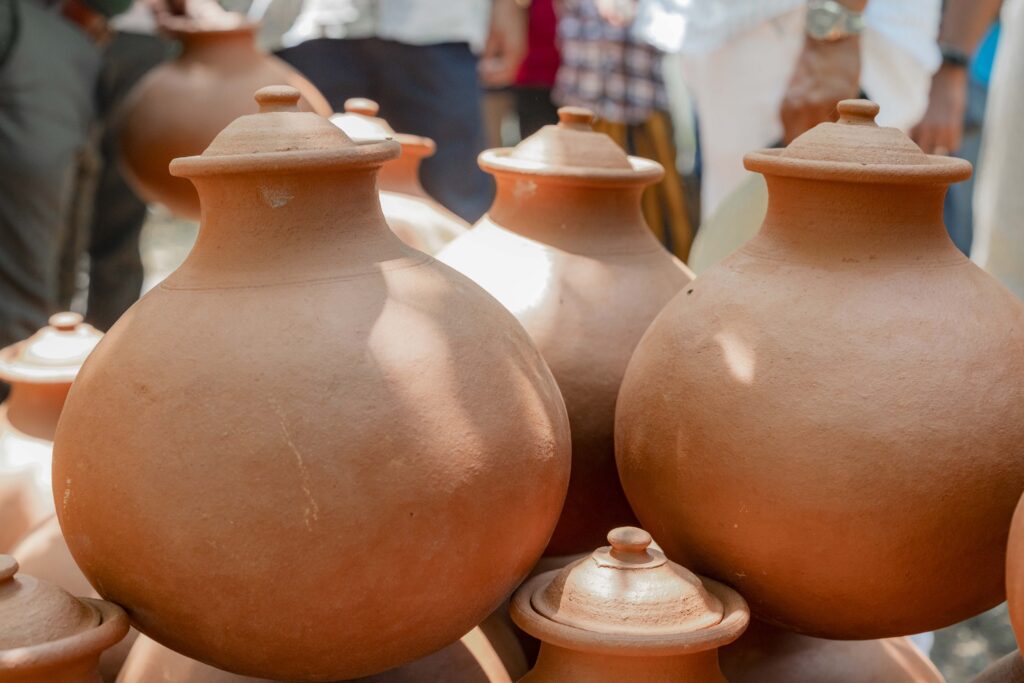
Traditionally used in home gardens and dry-zone agriculture, these self-watering clay pots offer a simple yet remarkably effective way to provide crops with a steady supply of water, even during harsh conditions.
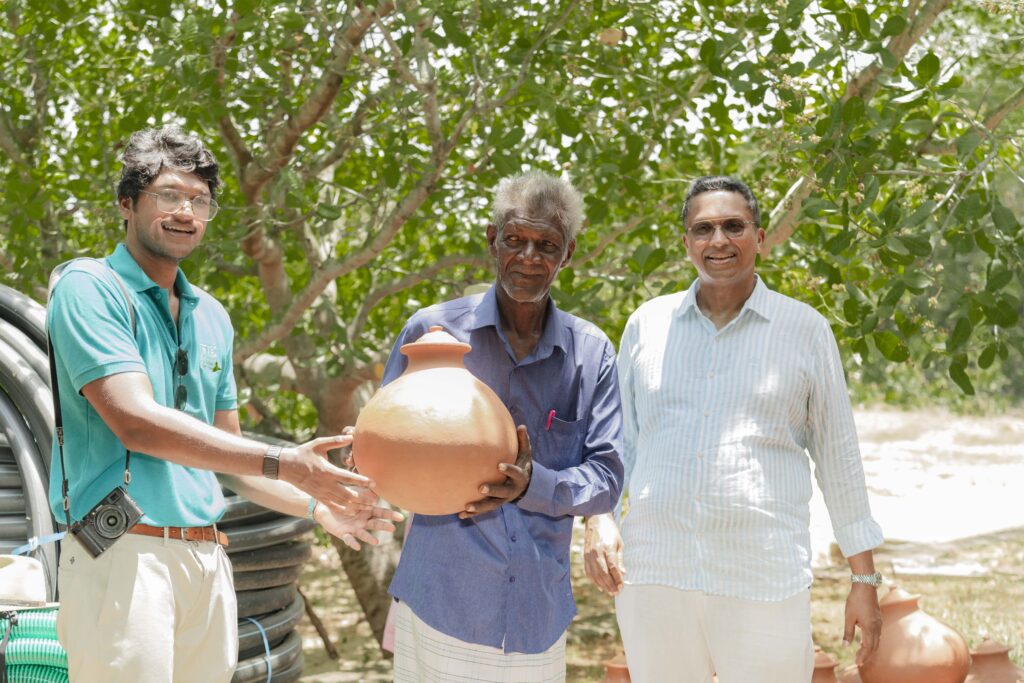
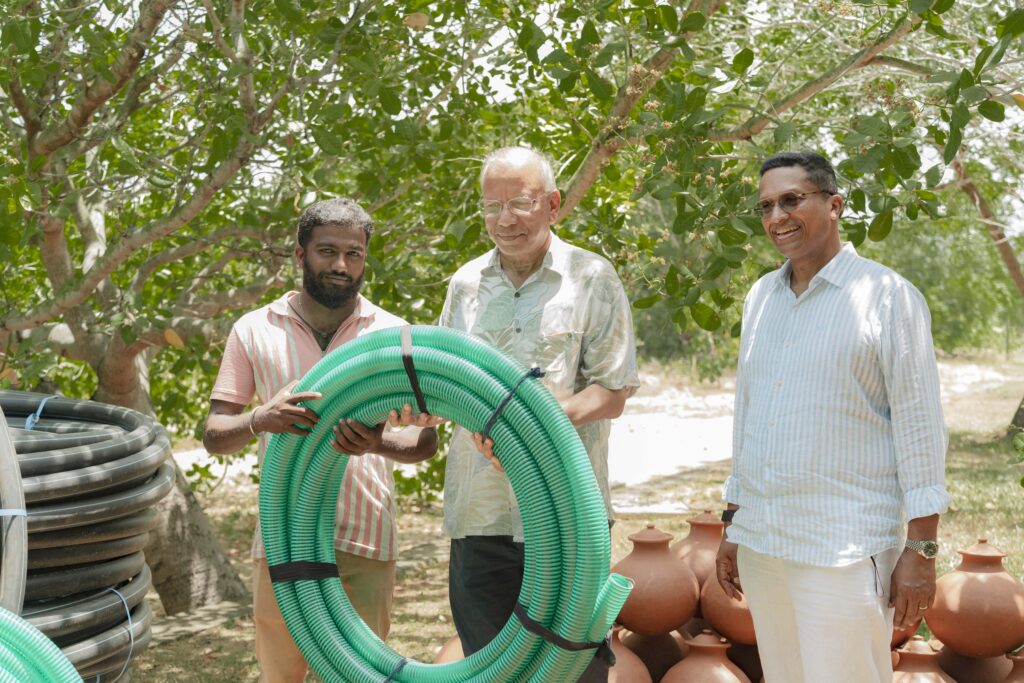
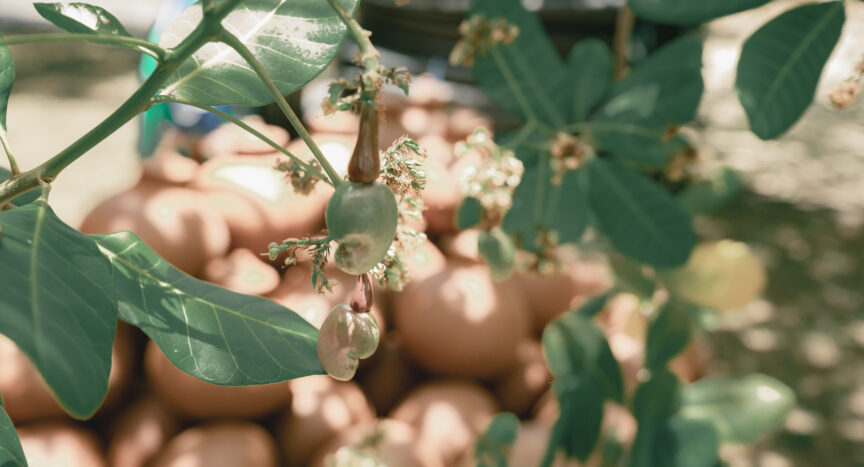
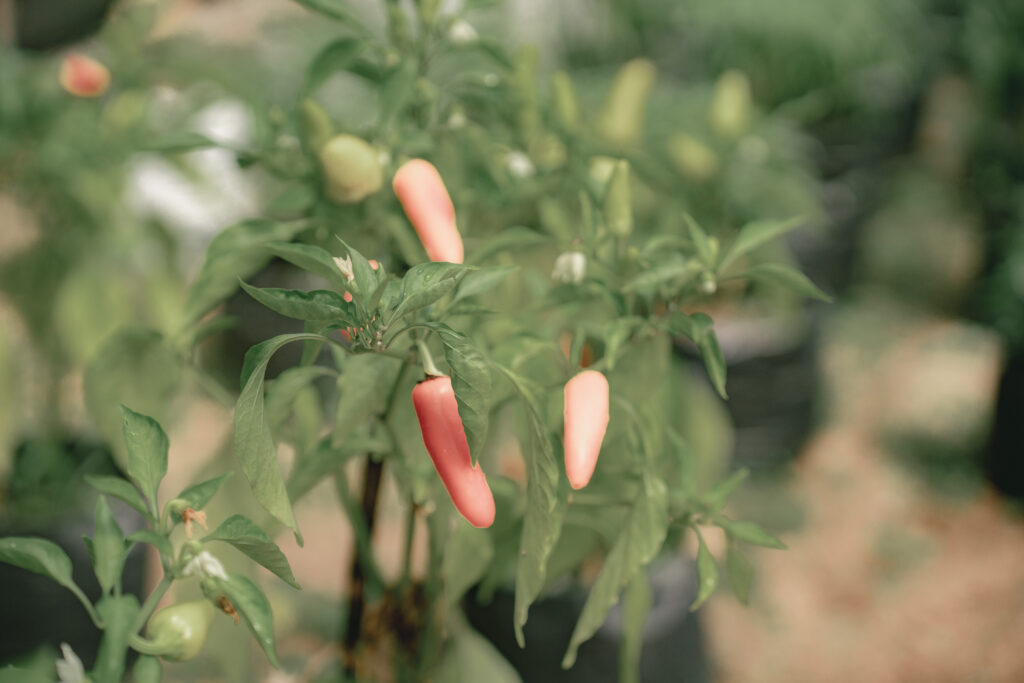
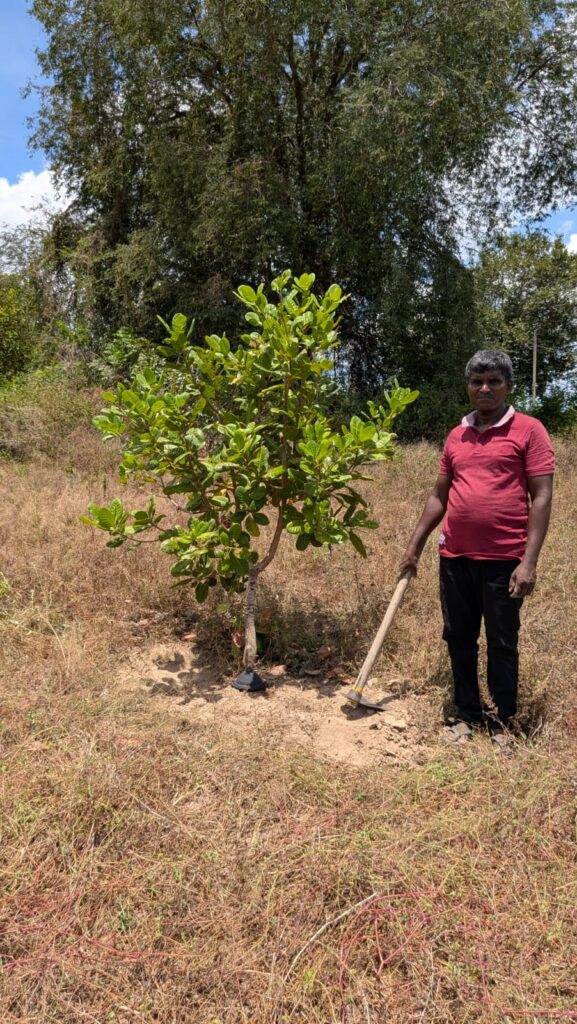
To help communities adapt to the challenges of a changing climate, we distributed these indigenous irrigation pots among farmers in the East, supporting the cultivation of crops such as cashew and chilli in areas most vulnerable to drought.
How Does It Work?
The concept is surprisingly simple.
Unglazed, porous clay pots are buried neck-deep in the soil, leaving only the opening visible above ground. Once filled with water, the pot slowly releases moisture through its porous walls directly into the surrounding soil.
The magic lies in its simplicity.
As the soil dries, water seeps out to replenish moisture around the roots. When the soil is already moist, the seepage slows or stops naturally. This means plants receive water when they need it, and only when they need it. No complicated technology. No pumps. No timers. Just a system that works in harmony with nature.
Why Is It So Effective?
Imagine watering a plant with a bucket. Not all the water reaches the roots. Some evaporates. Some runs off. Some seeps too deeply into the ground.
Many of us tend to overwater plants without realizing it. Too much water can be just as harmful as too little, leading to weak roots, disease, and wasted resources. Pitcher irrigation changes that. It removes much of that guesswork, allowing water to be delivered gradually and efficiently, exactly where it is needed.
- Saving Every Drop – Because water is delivered directly to the root zone, losses from evaporation, runoff, and deep percolation are significantly reduced. Studies have shown that this method can reduce water use by 50% to 70% compared to conventional surface watering.
- Plants Take Only What They Need – The system is naturally self-regulating. Water movement is driven by the moisture needs of the surrounding soil, reducing the risk of overwatering and root rot.
- Stronger, More Resilient Plants – With a reliable source of moisture below the surface, plant roots grow deeper in search of water. Deeper roots mean stronger plants that are better able to withstand dry spells and drought conditions.
This is a reminder that climate action does not always require reinventing the wheel. Sometimes, it means rediscovering the wisdom that already exists around us.