Not as passive background scenery but as dynamic communicative organisms
The plant world is one of endless diversity, existing in forms, colours, textures, and structures so varied that understanding them can feel like learning an entirely new language. Yet despite this incredible diversity, every plant has a place, a relationship, and a story. This is where taxonomy comes in.
Often misunderstood as simply the act of “naming plants,” taxonomy is far more than classification. It is the science of understanding relationships between plants, tracing their evolutionary histories, identifying their characteristics, and organising the immense diversity of life into meaningful systems. Nomenclature, meanwhile, refers specifically to the process of naming. Together, they form the foundation of how we understand the plant world around us.
All of this and more unfolded at our recent Plant Identification Workshop held in Moratuwa, which drew an overwhelming number of enthusiastic participants. The response itself reflected a growing curiosity among people to better understand the green world around them, not merely as scenery, but as living systems filled with complexity and connection.

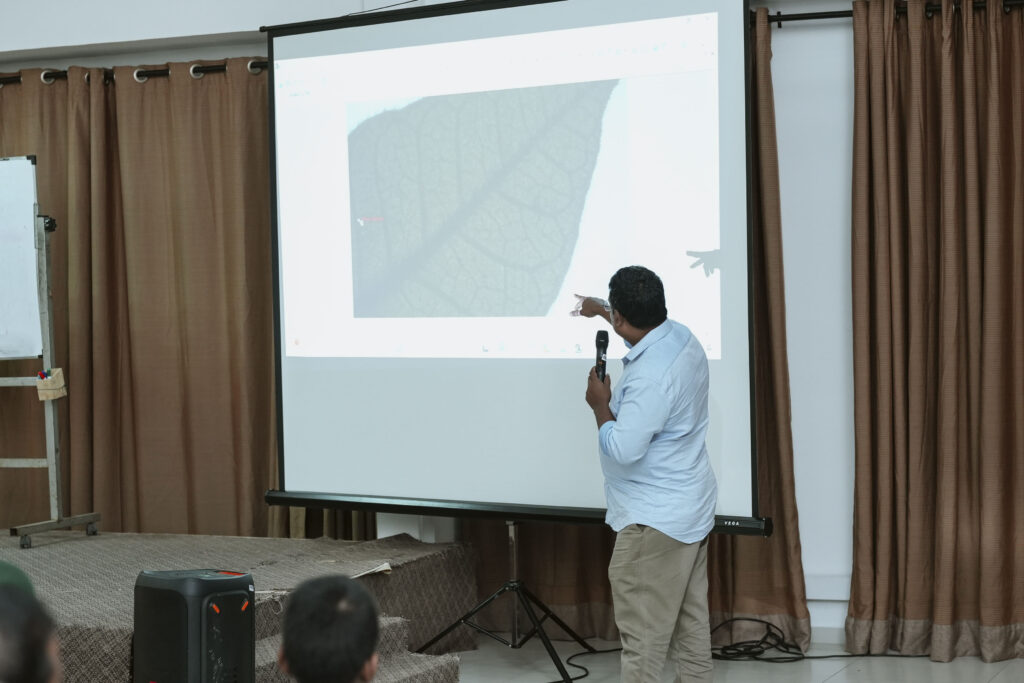
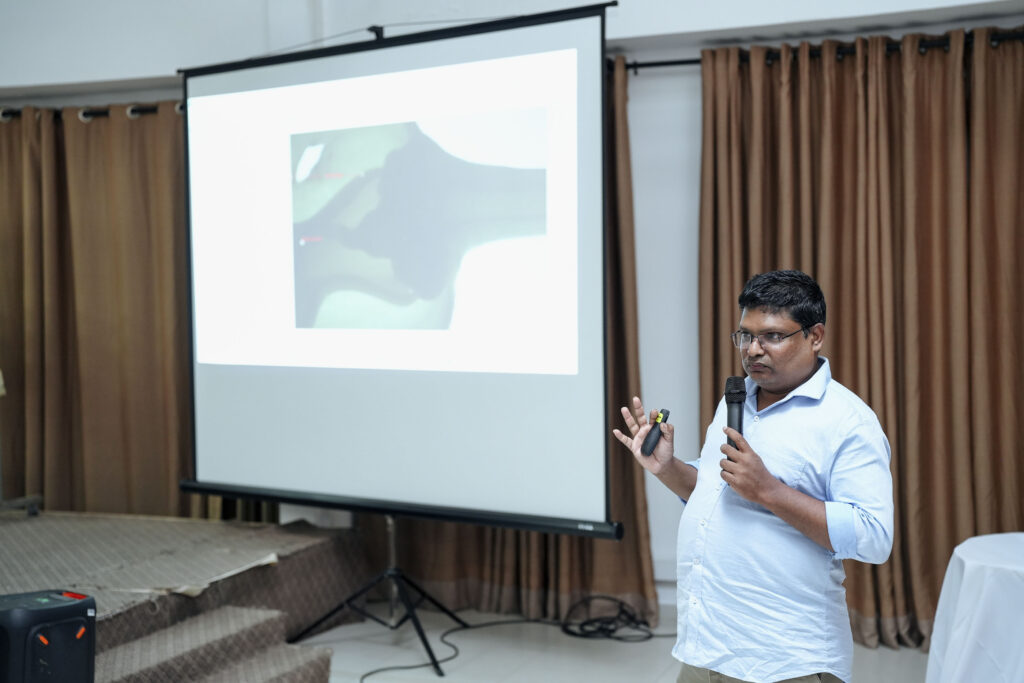
The session was led by Dr. Himesh Jayasinghe, an emerging plant expert whose passion and depth of knowledge brought the subject to life.
“Plant identification requires more than memorisation; it demands a trained eye, scientific understanding, patience, and an instinct for observation. Dr. Himesh possesses exactly that combination”.
-Prof. Hashendra


Adding another layer of depth to the workshop, Prof. Hashendra’s session beautifully connected science with history, showing participants how plant identification is rooted not only in modern scientific methods, but also in centuries of exploration, documentation, and discovery. Without understanding both the scientific and historical context, identifying plants becomes incomplete.
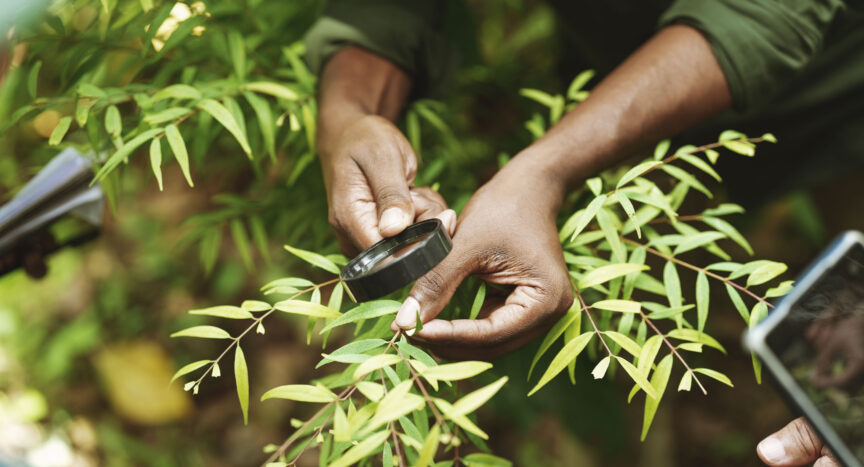
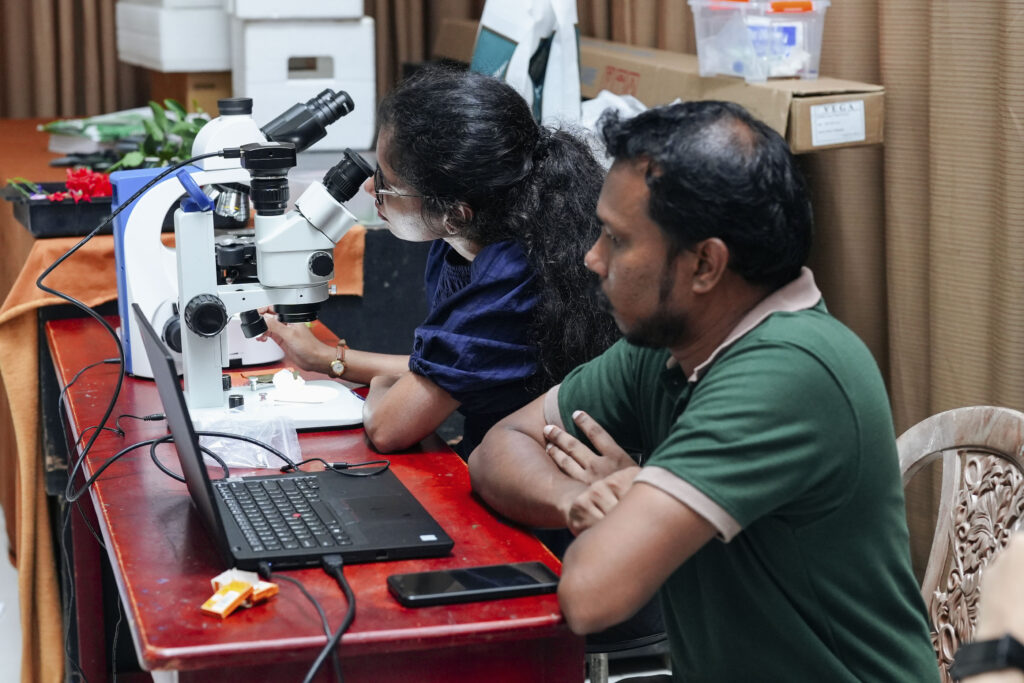
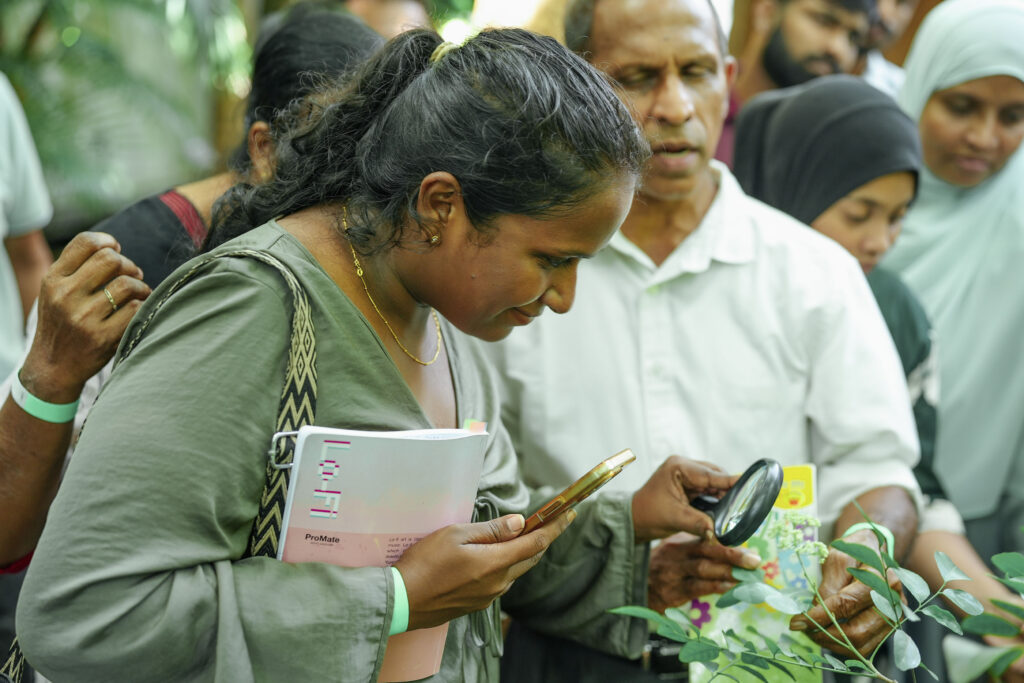
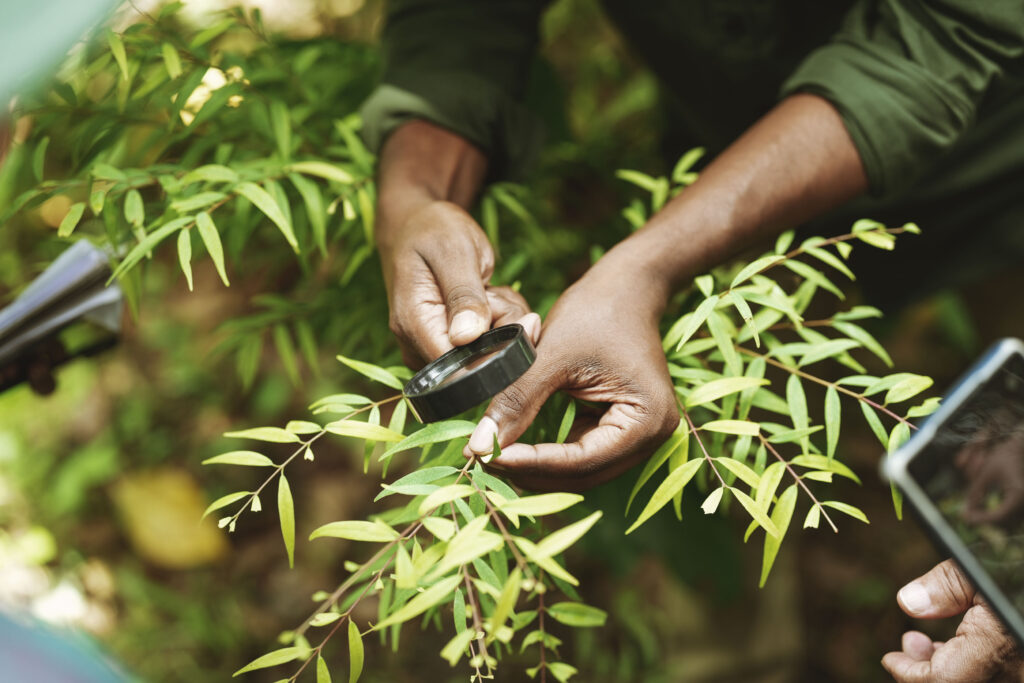
With her support, microscopes were also arranged for participants, allowing them to move beyond surface-level observation and explore the intricate details hidden within plants. Delicate structures, textures, and patterns that often go unnoticed to the naked eye suddenly became visible, transforming the session from a lecture into an immersive exploration of the microscopic beauty of the plant world.
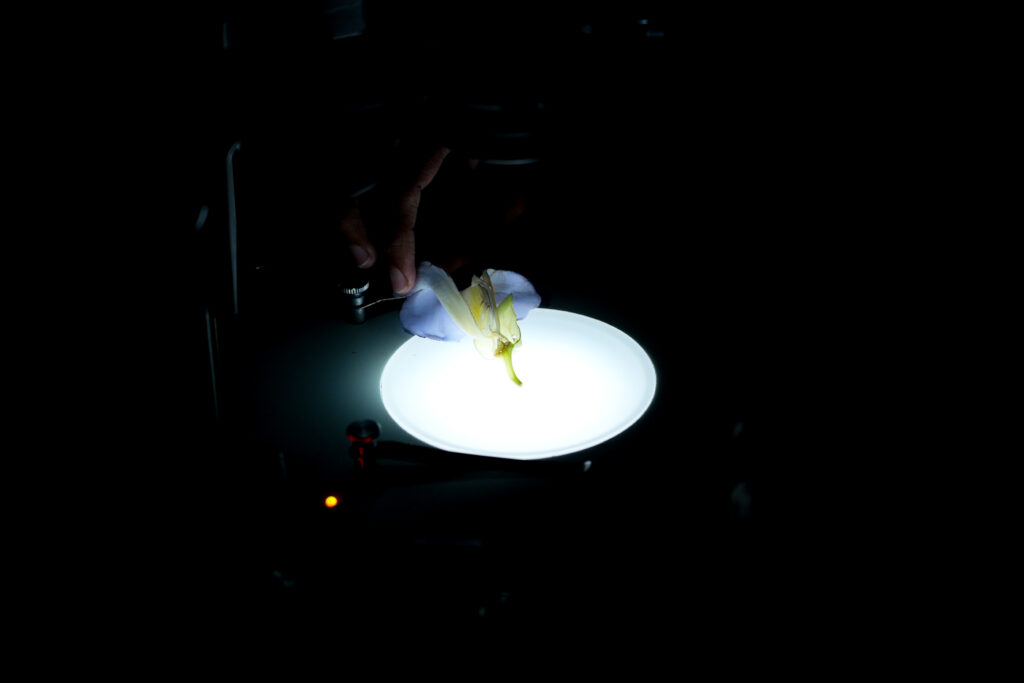
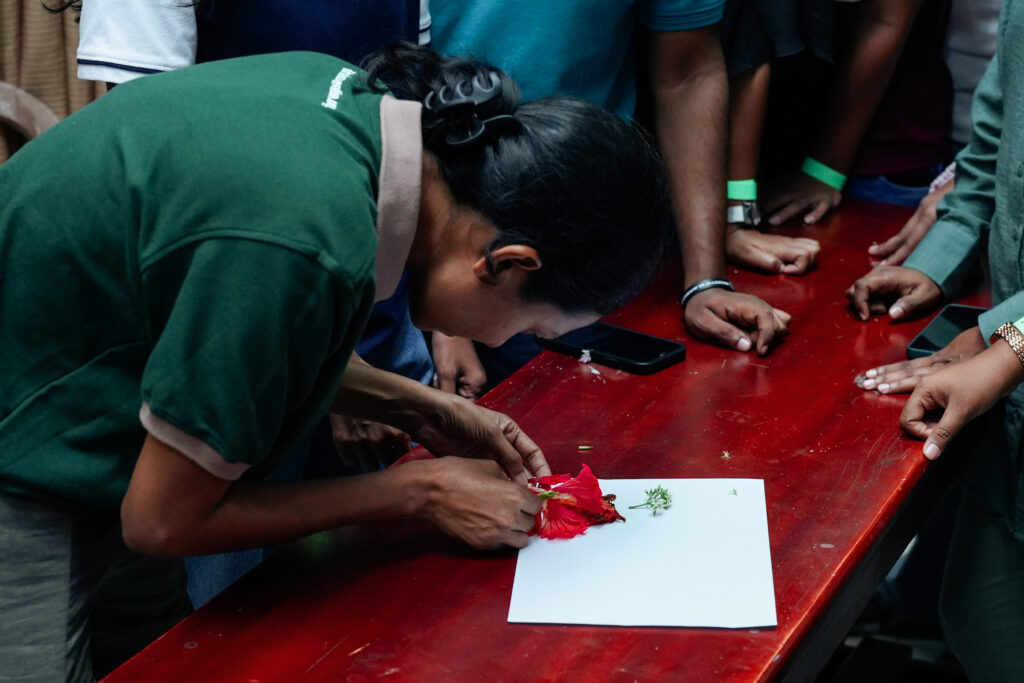

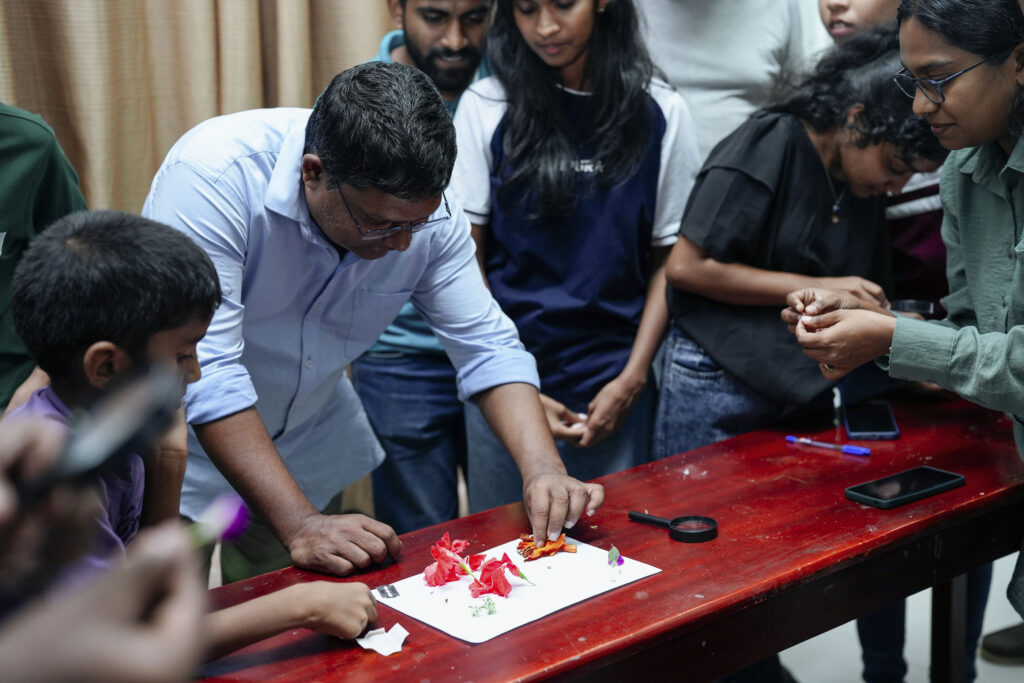
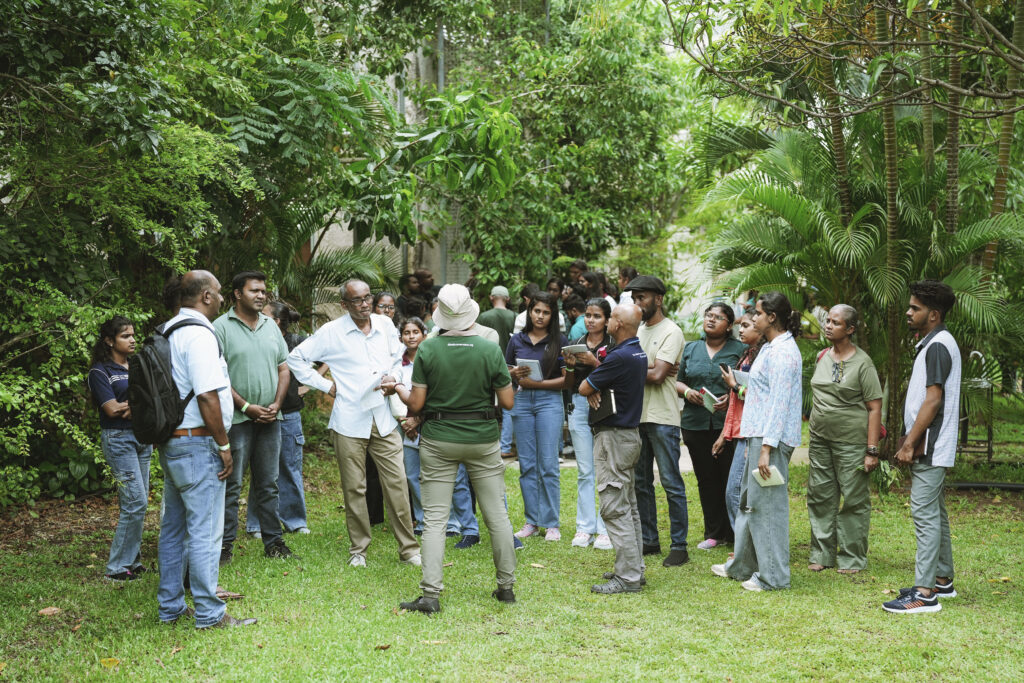
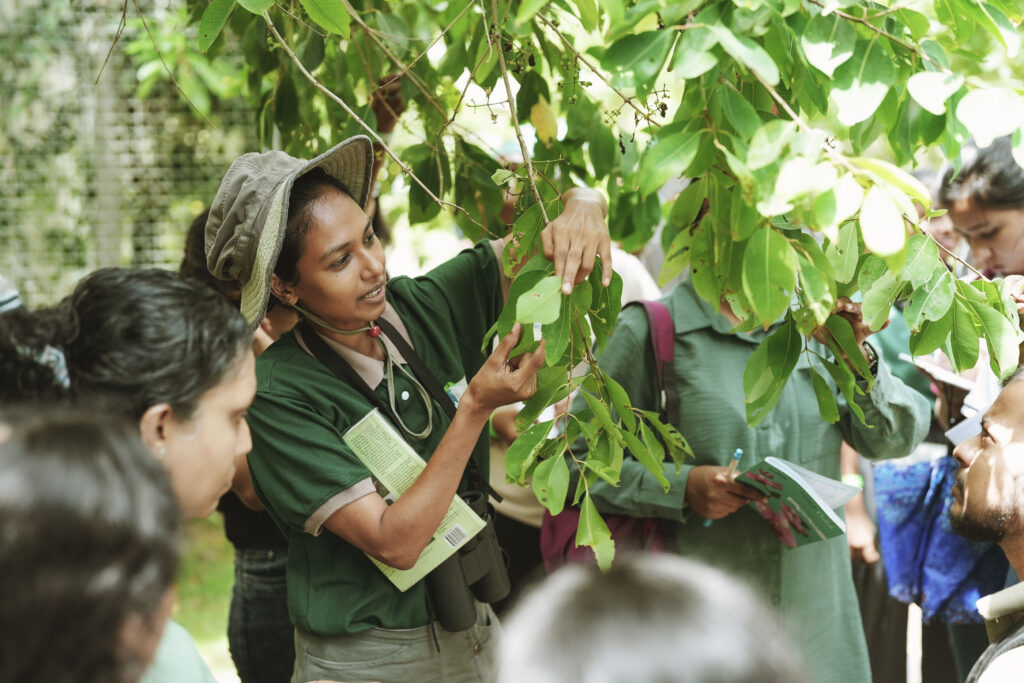
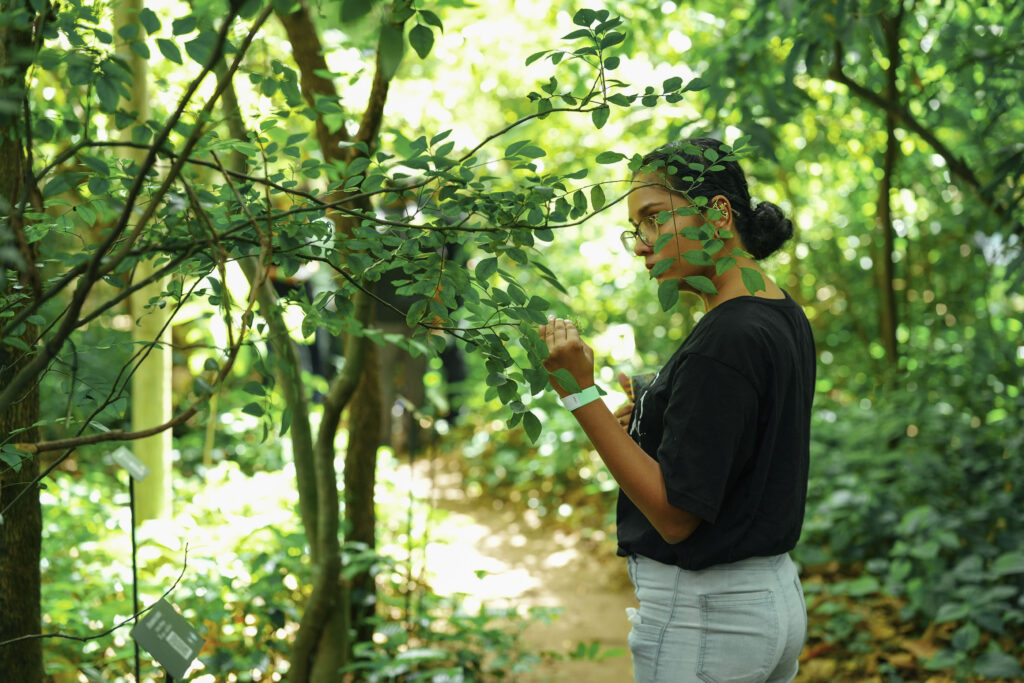
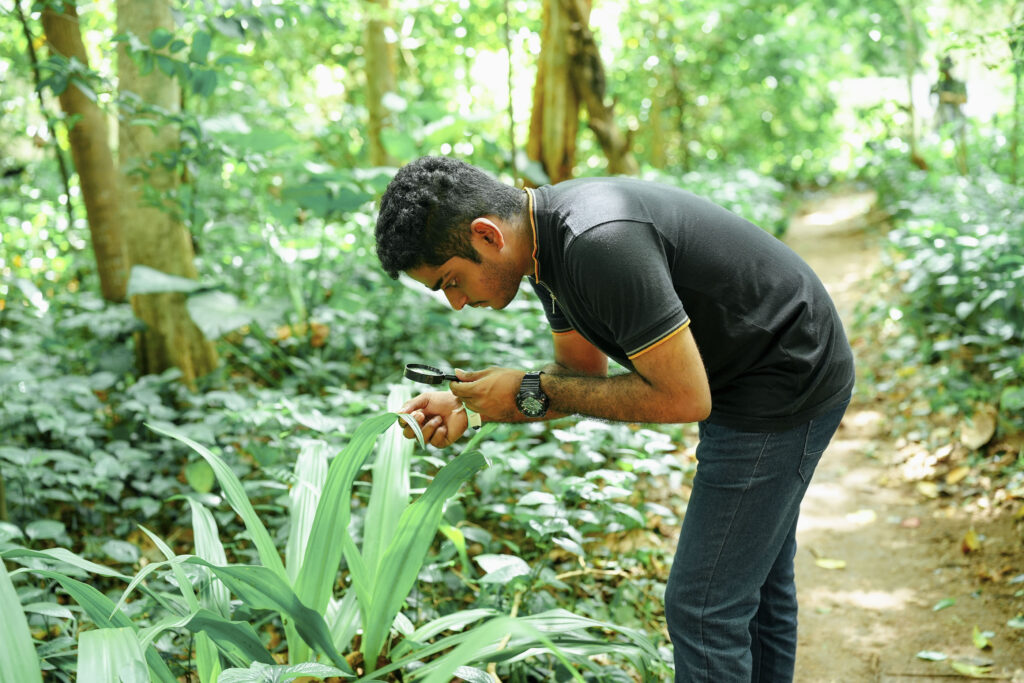
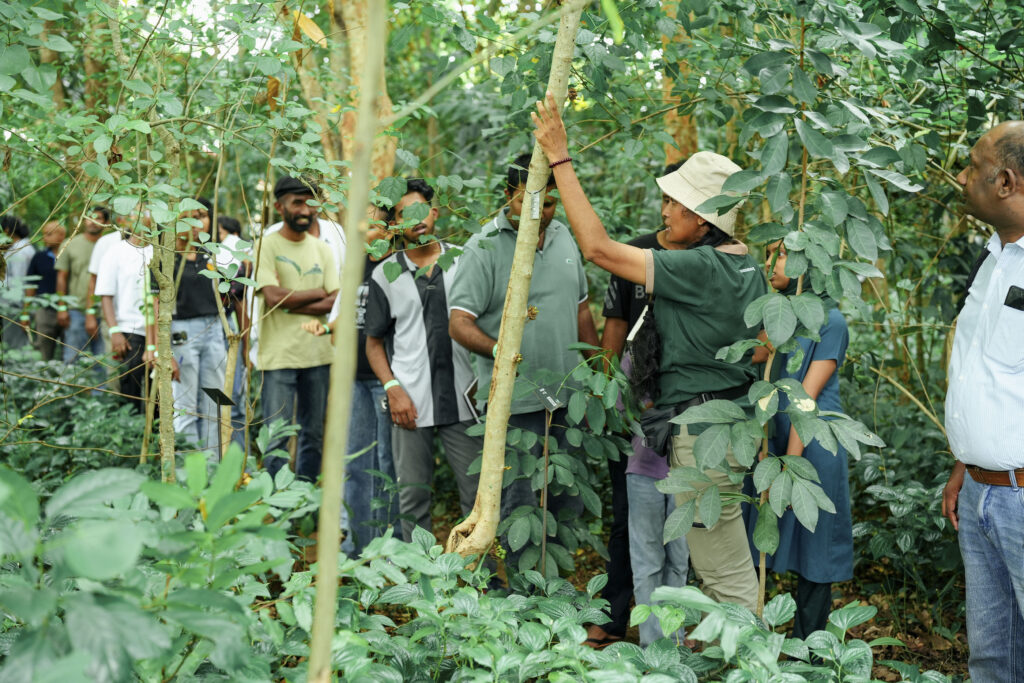
The learning experience continued outdoors as participants were divided into six groups and guided through the premises’ arboretum, organic garden, and butterfly garden. These guided walks turned the environment itself into a living classroom, allowing participants to apply what they had learned in real time while observing plants within their ecological settings. The activity concluded with flower dissections, offering an even deeper understanding of plant morphology and structure.
Adding a fun and interactive touch to the workshop was the Mentimeter quiz session. By the end of the workshop, participants walked away with far more than the ability to identify plants. What many once saw as “just plants” had transformed into intricate living systems filled with history, science, relationships, and wonder. Curiosity had been reignited, perspectives had shifted, and the plant world was now being seen through entirely new eyes.