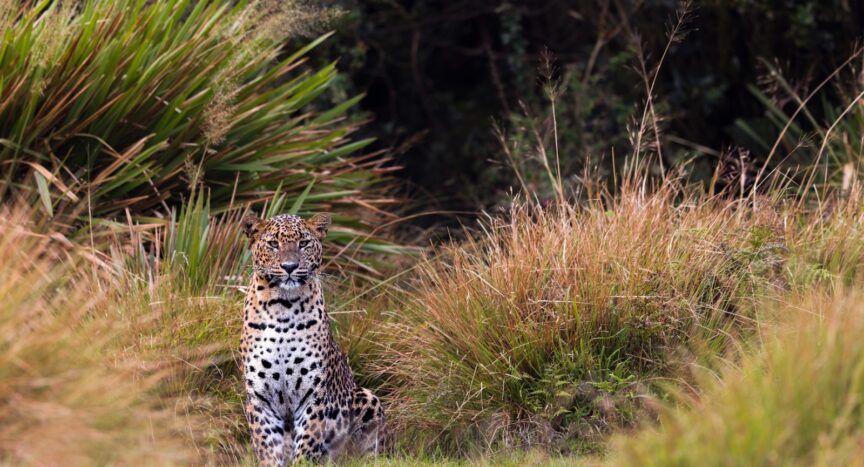
Every year on August 1st, Sri Lanka celebrates National Leopard Day, a day dedicated to honouring our island nation’s ultimate apex predator, the Sri Lankan leopard (Panthera pardus kotiya). Unlike leopards in Africa or mainland Asia, Sri Lanka’s subspecies sits at the absolute top of the food chain, with no competing big cats like lions or tigers to share its kingdom.
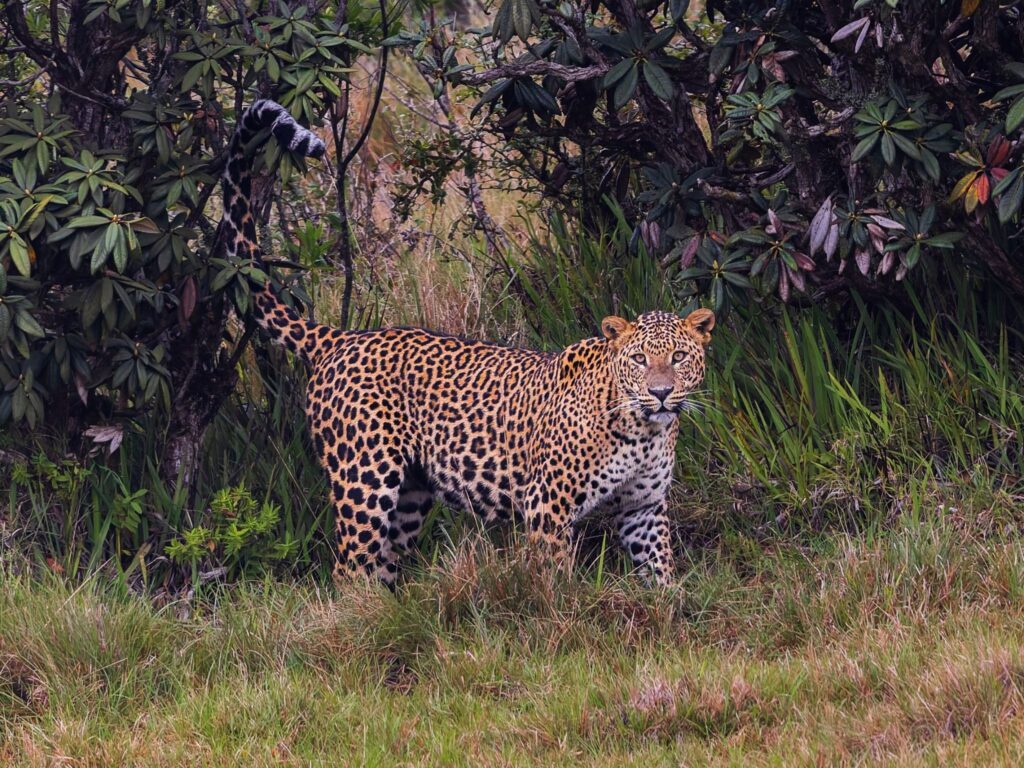
Because of this unique ecological position, Sri Lanka boasts one of the highest leopard densities in the world. Yet, these majestic big cats do not only roam protected national parks like Yala or Wilpattu, they also navigate shared, human-dominated working landscapes, including the lush tea gardens of the Central Highlands.
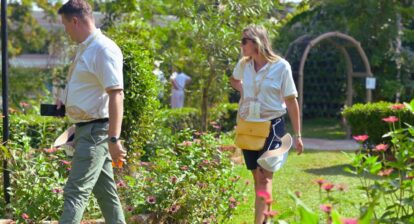
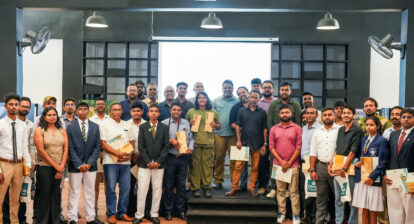
Understanding and protecting these elusive creatures within working environments is essential for their long-term survival. That is why Dilmah Conservation in collaboration with leopard researcher Sethil Muhandiram of Leopocon Sri Lanka has launched a pioneering leopard conservation project at Queensberry Tea Estate in Nawalapitiya.
The Island’s Unique Big Cat: Fast Facts
Before diving into our estate initiatives, here is why the Sri Lankan leopard is so extraordinary:
- An Endemic Subspecies: Recognised as a distinct subspecies in 1956 (Panthera pardus kotiya), these big cats are endemic to Sri Lanka.
- Top of the Food Chain: As the sole apex predator on the island, Sri Lankan leopards exhibit unique behaviors, such as being more active during daylight hours and rarely needing to cache their kills high up in trees.
- Adaptable yet Threatened: They inhabit diverse ecosystems—from dry-zone scrublands to high-altitude montane forests. However, they face growing threats from habitat fragmentation, snares, and human-wildlife conflict.
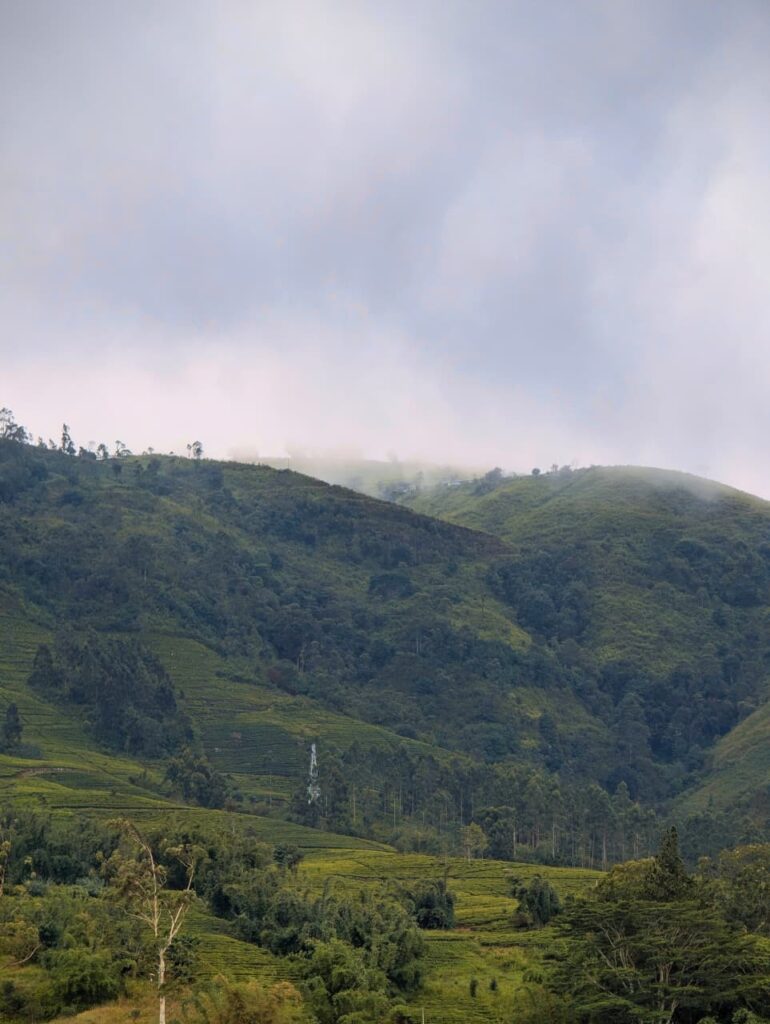
Bridging Science and Community at Queensberry Estate
Nestled in the Nawalapitiya highlands, Queensberry Estate is part of a crucial ecosystem where forest patches meet agricultural land. To ensure leopards and human communities can safely share this environment, our initiative focuses on three core pillars:
- Surveillance & Technology: Deploying camera traps and systematic monitoring tools to track leopard movements, territorial behaviour, and population dynamics without disturbing the animals.
- Community Awareness & Capacity Building: Conducting workshops and educational programmes for estate workers and local residents to build trust, dispel fears, and teach practical safety protocols.
- Conflict Reduction & Early Detection: Establishing early-detection threat mechanisms to prevent human-leopard encounters, eliminate illegal snaring, and promote proactive safety.
Through our valuable partnership with Leopocon Sri Lanka, this initiative creates a model for how commercial agriculture and wildlife conservation can work hand-in-hand.
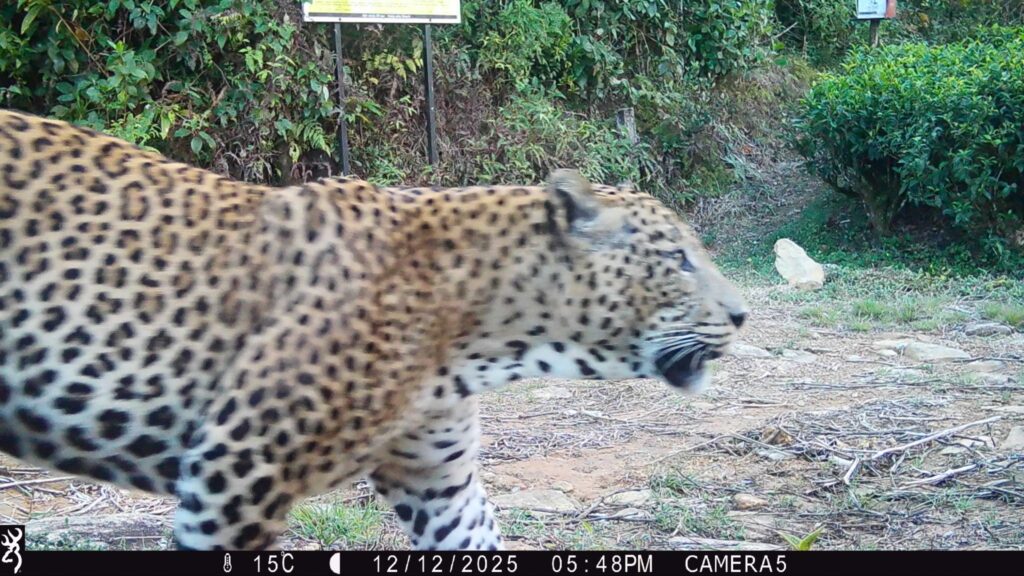
As we commemorate National Leopard Day, Sethil Muhandiram, Principal Researcher of the project, shares his perspective on the work being done on the ground:
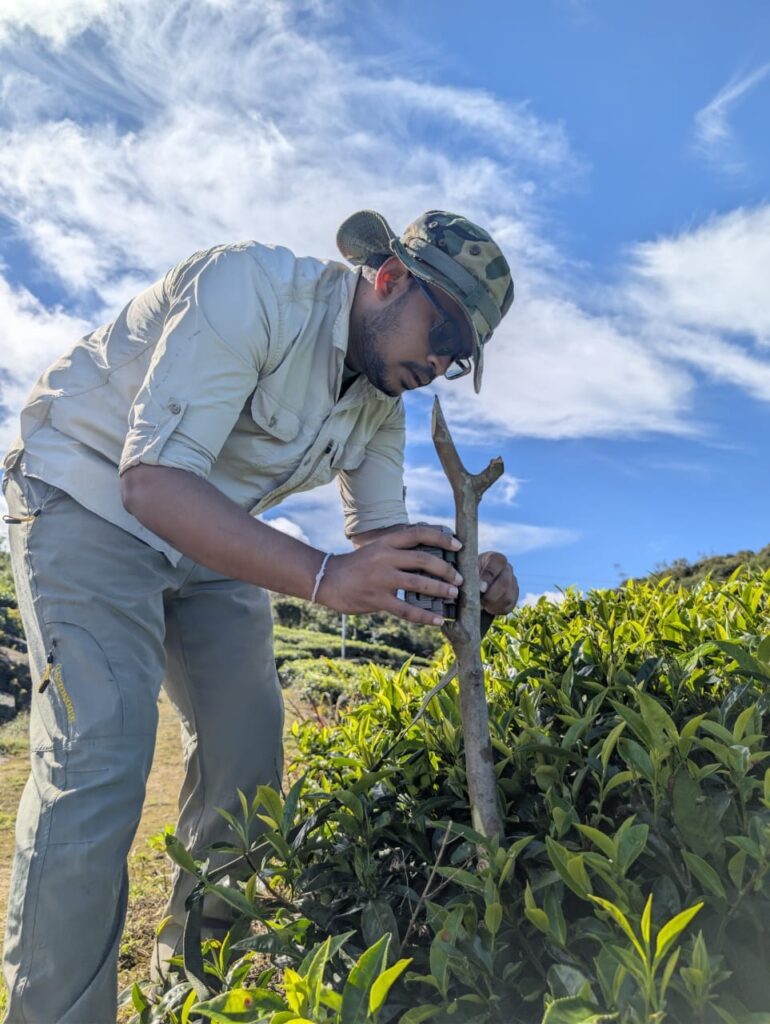
“Field-based conservation demands both scientific rigour and genuine engagement with communities. The Queensbery Estate initiative reflects a careful balance of both. By combining systematic monitoring with on-the-ground collaboration, it advances a practical understanding of how leopards persist within working landscapes.
Equally important is its commitment to reducing conflict through awareness, early detection of threats, and trust-building among estate communities and conservation practitioners. Such efforts are essential if coexistence is to move from concept to reality.
Partnerships of this nature, particularly with committed actors such as Dilmah Conservation, play a vital role in strengthening conservation outcomes in Sri Lanka. They create space for applied research that is both locally grounded and nationally relevant.
This work stands as a meaningful contribution toward securing the future of Sri Lanka’s leopard populations within shared landscapes.”
Looking Forward: Coexistence as a Reality
True conservation does not mean separating wildlife from people behind high fences; it means learning how to share the landscape safely and respectfully. This National Leopard Day, we celebrate not only the grandeur of Panthera pardus kotiya, but also the dedicated estate workers, researchers, and partners who work every day to turn peaceful coexistence from a concept into a daily reality.