We often speak about forests when we talk about protecting the planet. Towering trees, dense canopies, and the life they hold. But beneath the surface of our oceans lies another ecosystem – quiet, unseen, and just as powerful.
Seagrass.
Seagrass meadows are now recognised as the third most important ecosystem in the world, following forests and other major natural systems. Yet, unlike forests, they remain largely invisible to us.
And maybe that’s why we are losing them.
A climate hero we rarely see
Seagrass is more than just underwater plants. It is:
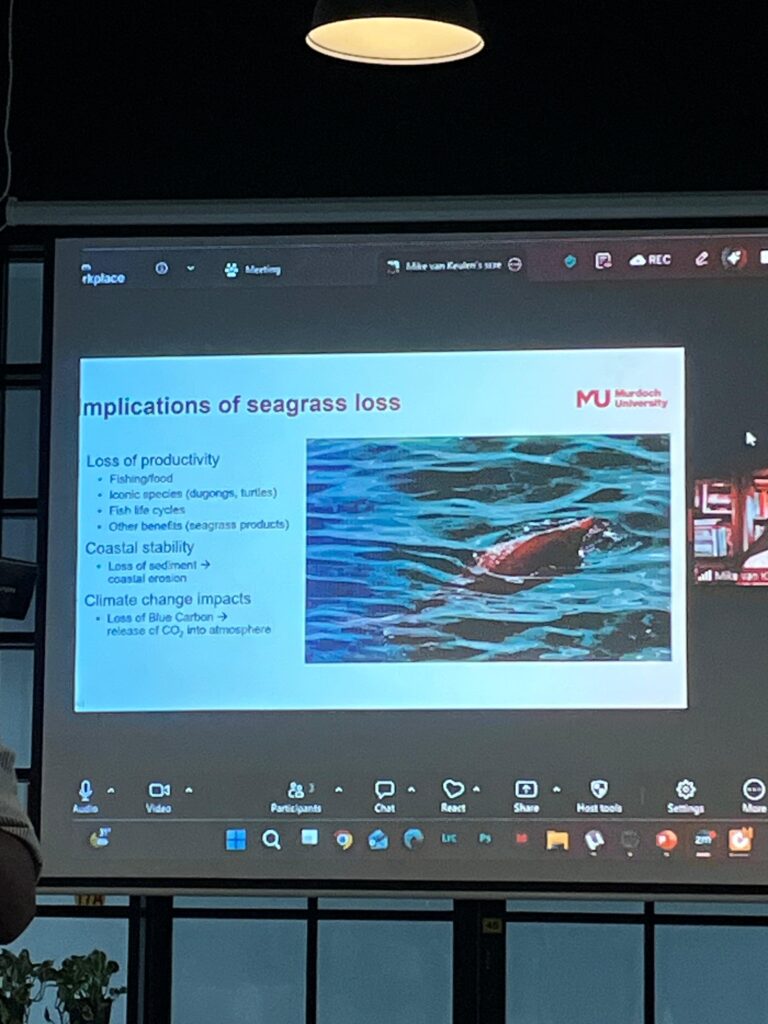
- A climate hero, storing vast amounts of carbon and helping regulate our planet’s climate
- A haven for biodiversity, supporting fish, crustaceans, turtles, and countless marine species
- A natural barrier, protecting coastal communities from storms and floods
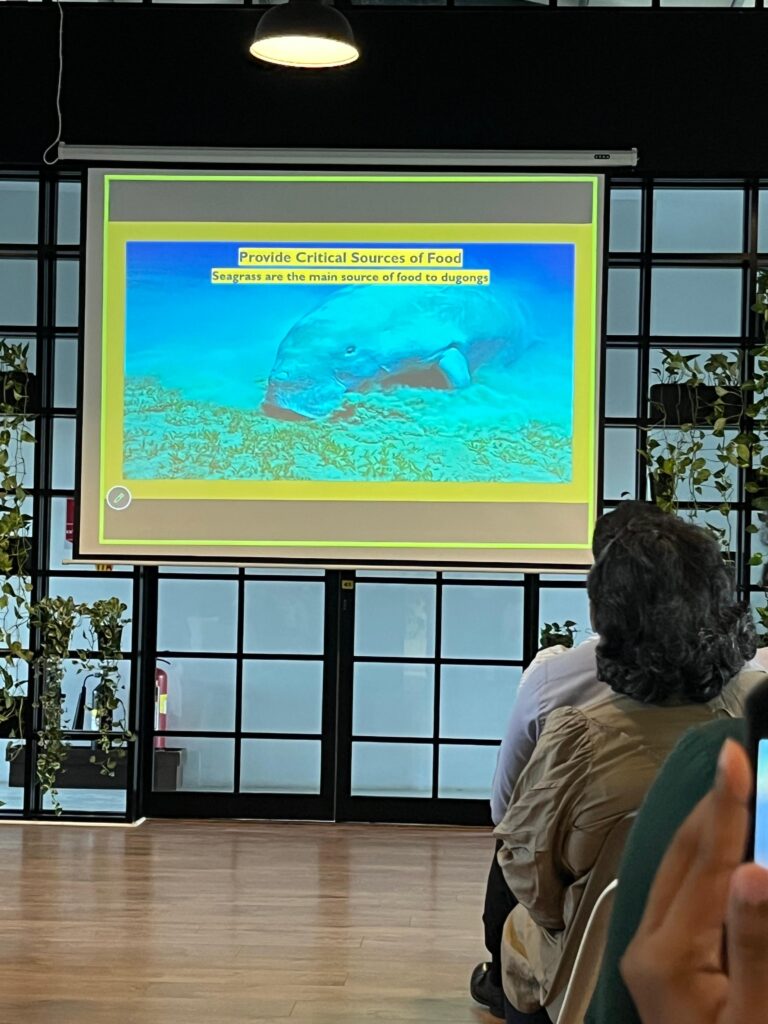
- A source of food and livelihoods, sustaining fisheries and communities around the world
Despite all this, seagrass ecosystems are disappearing at an alarming rate.
What’s causing the loss?
The degradation of seagrass meadows is often silent, but steady. It happens through:
- Coastal development and land reclamation
- Pollution and sediment runoff that block sunlight
- Unsustainable fishing practices
- Climate change, including rising sea temperatures
Unlike forests, where loss is visible and immediate, seagrass decline happens underwater – out of sight, and often out of mind.
This is exactly why conversations like these are becoming more important.
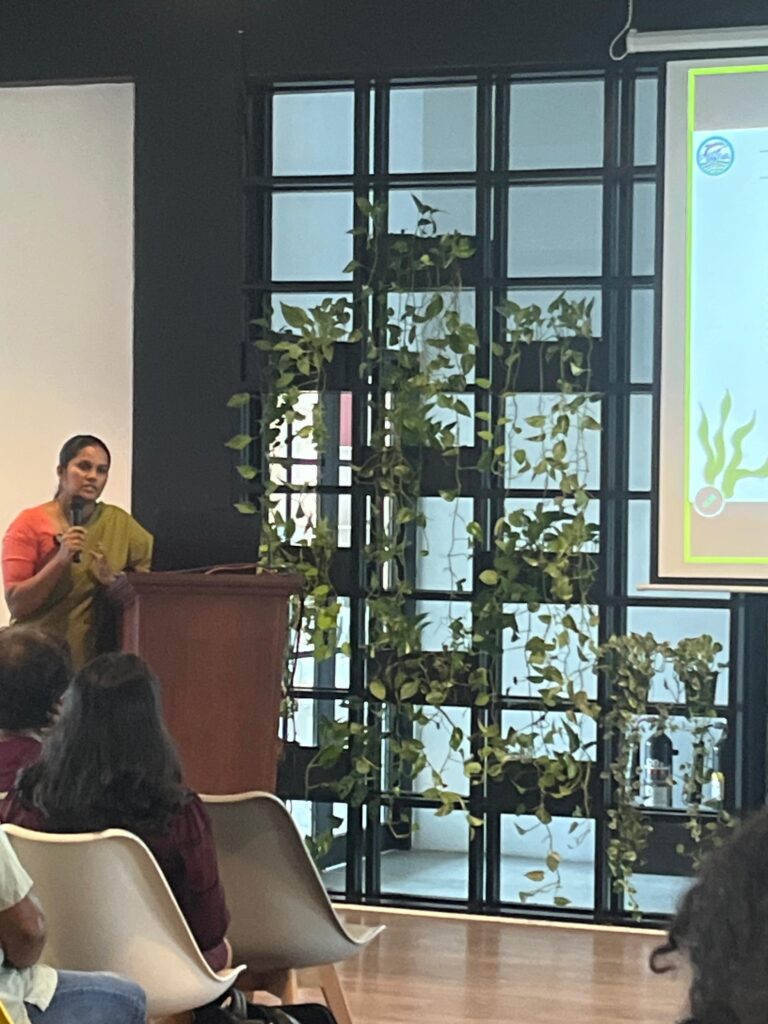
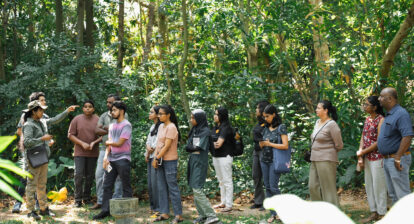
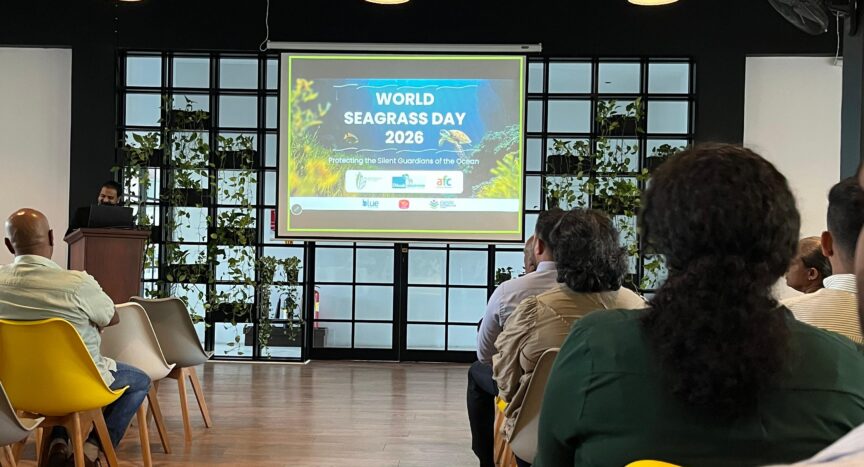
At a recent session organised by Biodiversity Sri Lanka (BSL) in collaboration with Dilmah Conservation at Genesis by Dilmah, Maligawatte, the focus turned to “Life to Our Blue Forests” – the newest addition to a growing series of conservation initiatives.
This builds on earlier efforts: Life to our mangroves, Life to our national parks, Life to our beaches, Life to our coral reefs, Life to our forests
And now, the spotlight shifts to what lies beneath the waves.
A collaborative step forward
The Life to Our Blue Forests initiative emerges as a collaboration with Dilmah Conservation, bringing together knowledge, science, and action to protect these critical ecosystems.
The session opened with a keynote by Prof. Mike Van Keulen from Murdoch University, who spoke on “Seagrass: The hidden climate hero beneath the waves.” His insights reinforced just how vital these ecosystems are, not only for marine life, but for global climate resilience.
This was followed by local expertise from Mr. Susantha Udagedara of Blue Resources Trust, who grounded the discussion in the Sri Lankan context, highlighting both the richness of our coastal ecosystems and the urgency of protecting them.
Looking ahead
We are speaking more about seagrass now than ever for two simple reasons:
Because it is important.
And because it is time.
Time to recognise that not all forests grow on land.
Time to protect ecosystems we cannot always see.
And time to act before silence beneath the waves becomes absence.