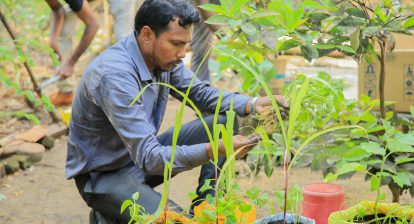
Grey2Green just wrapped up its 3rd session, and this time, we looked beyond just “green.”
Because let’s be honest…
Is a space truly green just because it has plants?
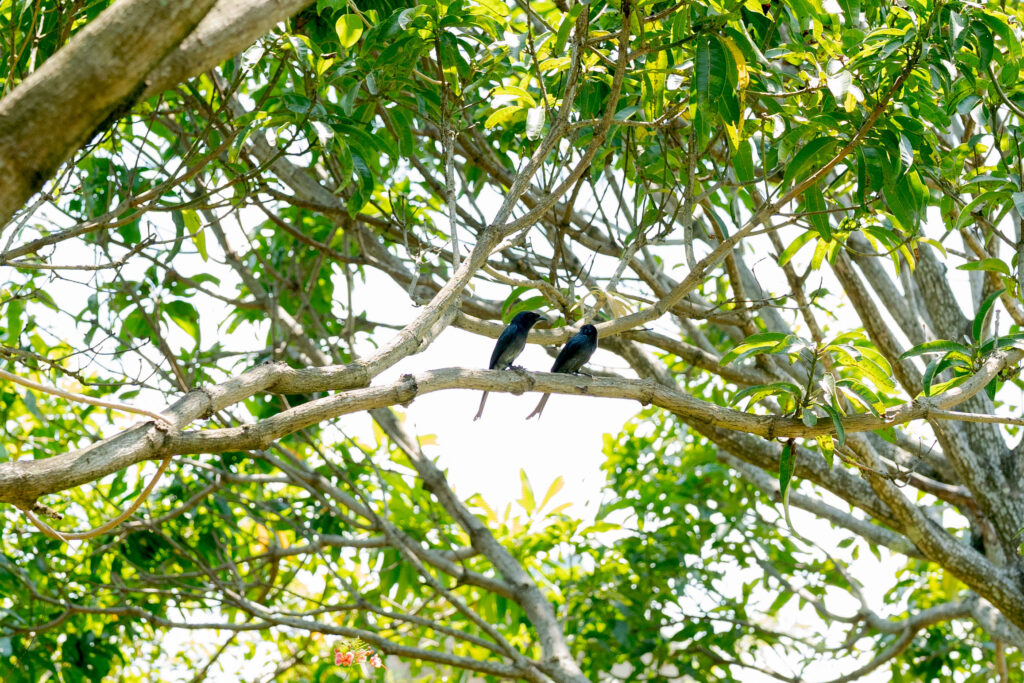
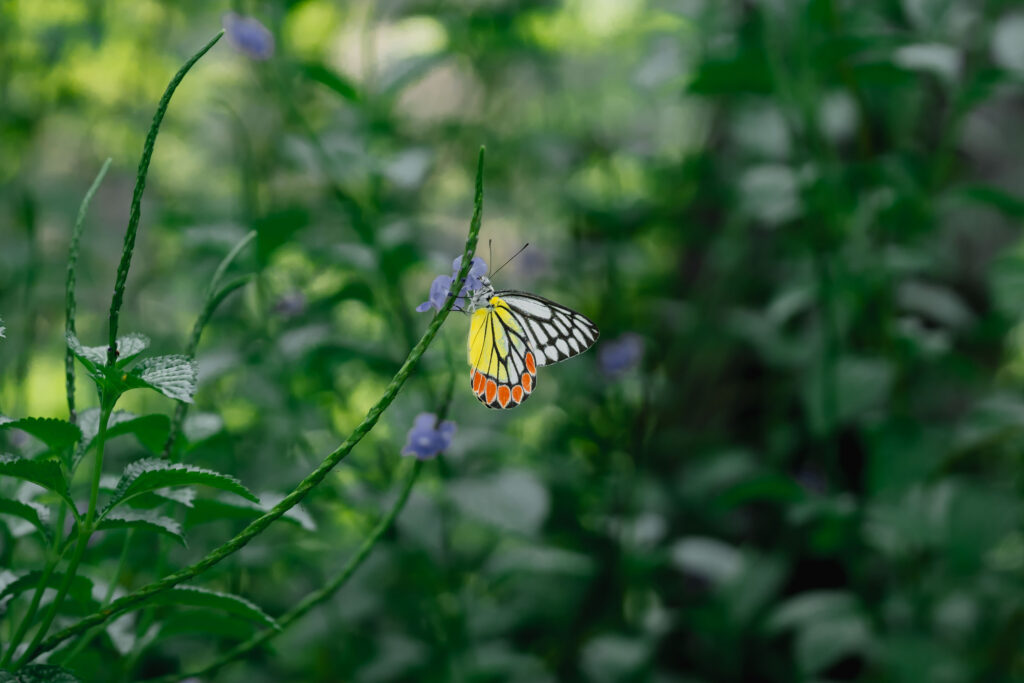
Plants are alive, yes. But what really brings a space to life is something more subtle – the movement, the sounds, the tiny interactions we often miss. The flutter of wings, the hum of insects, the quiet work happening in the soil.
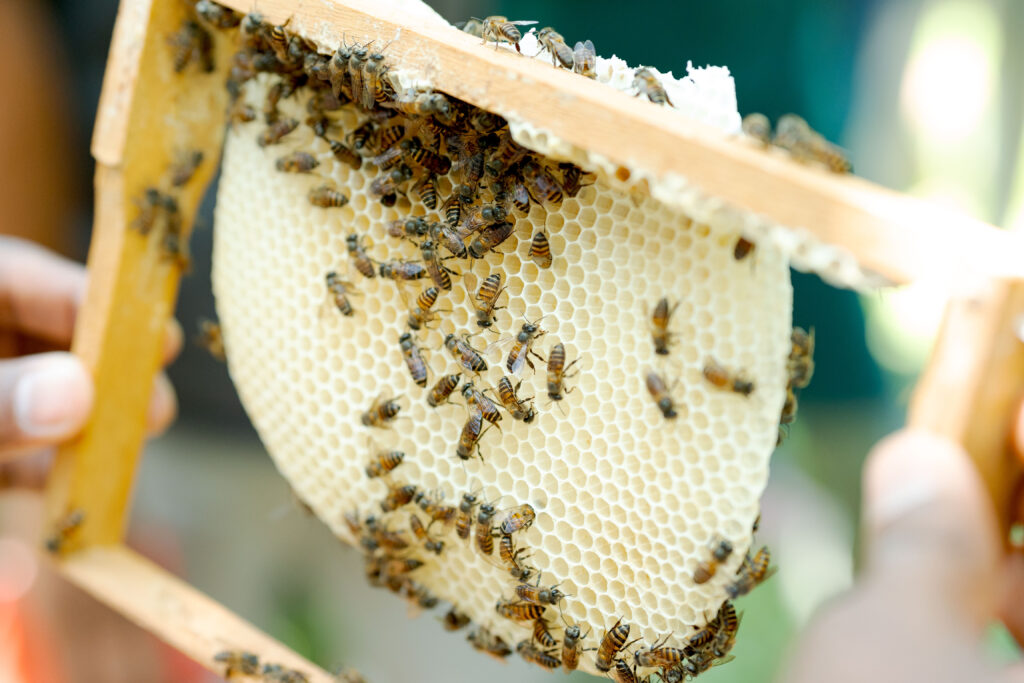
Animals don’t just make spaces feel lively – they make them function. From pollination and seed dispersal to decomposition and natural pest control, they are what keep ecosystems in balance.
And yet, not every green space supports this life.
Not every garden feels inviting.
So, how do we create spaces that animals actually choose to be part of?
Seeing the Difference
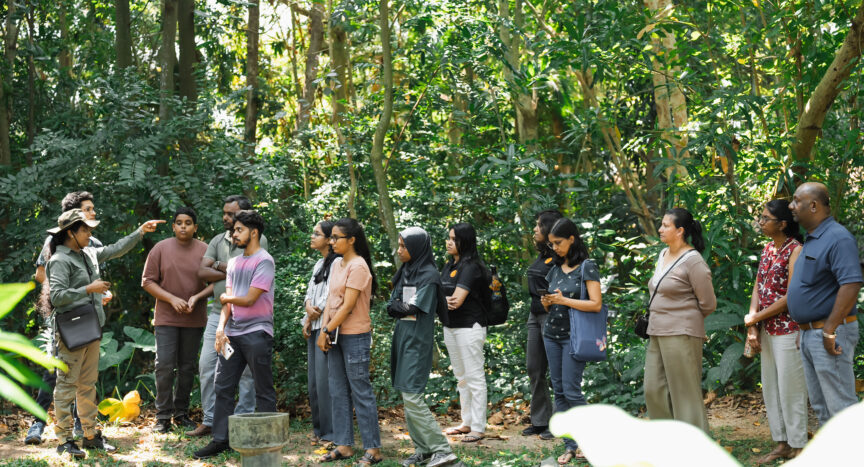
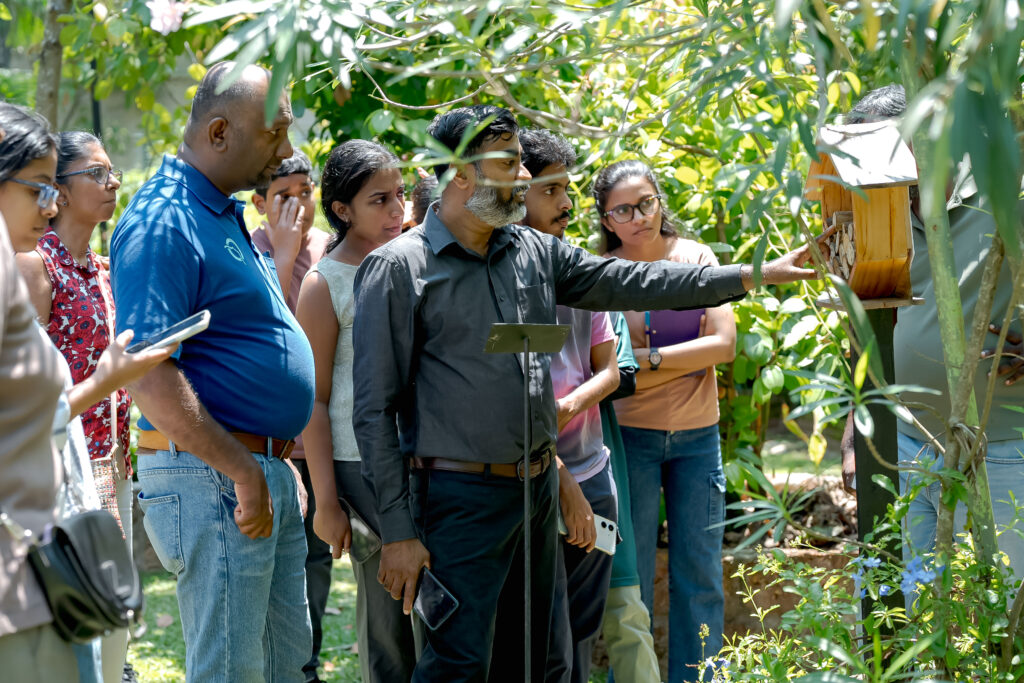
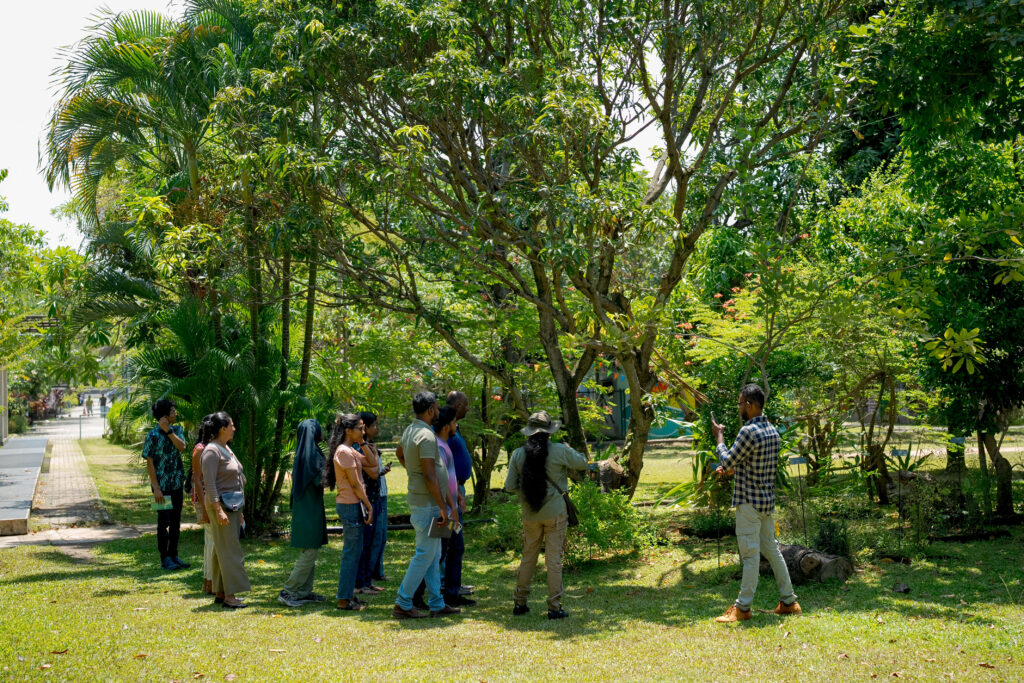
With insights from Dr. Sahani Chandrasiri and Dr. Anura Indrajith, we explored this question not just through discussion, but through experience.
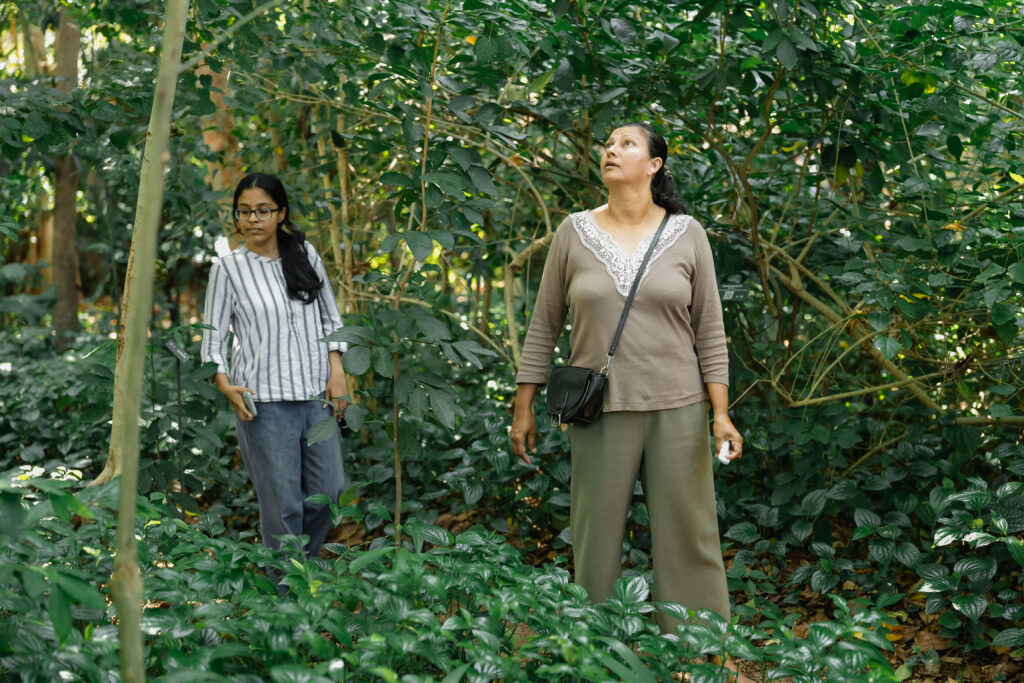
A walk through the arboretum and butterfly garden showed us something simple, but powerful:
Not all green spaces are equal.
Some are quiet.
Some are alive.
The difference lies in the details – the kind of plants, the layers, the care taken to welcome more than just human eyes.


So, How Can You Make Your Space Animal-Friendly?
If you have even a small garden, balcony, or patch of land, here are a few simple ways to start:
1. Choose native plants
These are what local insects, birds, and animals already know and depend on. Exotic plants may look nice, but natives create real connections.
2. Create layers, not just lawns
Think beyond a flat green space. Add ground plants, shrubs, and small trees. Different animals use different levels.
3. Let it be a little “messy”
A few fallen leaves, twigs, or logs might look untidy, but they are homes for insects and help enrich the soil.
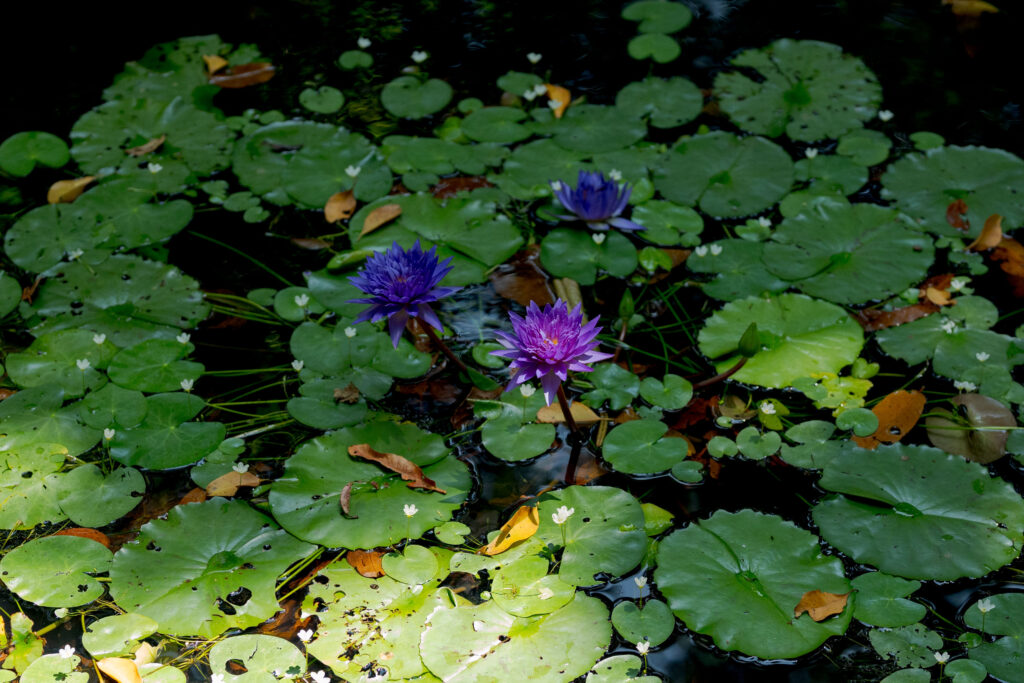
4. Add a water source
Even a shallow bowl can attract birds, butterflies, and bees especially in dry weather.
5. Avoid chemicals
Pesticides and herbicides don’t just remove pests, they remove the entire food chain.
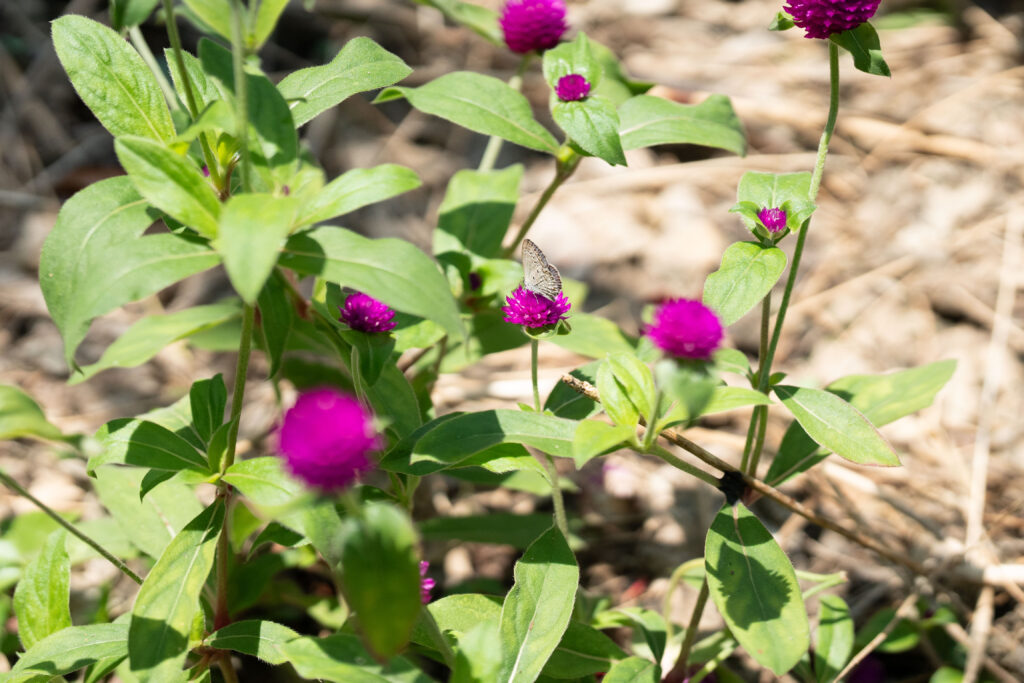
6. Plant for pollinators
Flowering plants that bloom at different times ensure there’s always something for bees and butterflies.

A Quick Re-cap!
So far, through our skill building sessions, we’ve explored what urban greening really means, how to choose the right plants, and how to create spaces that welcome animal life. These are just the first steps in our skill-building journey. Stay tuned for what’s next.