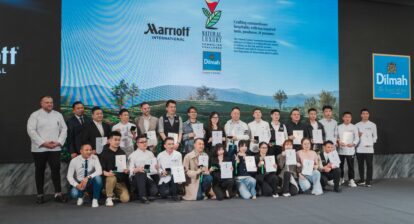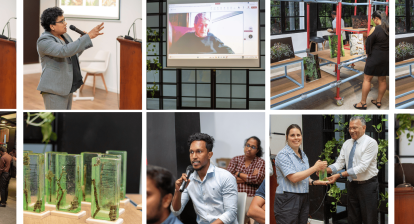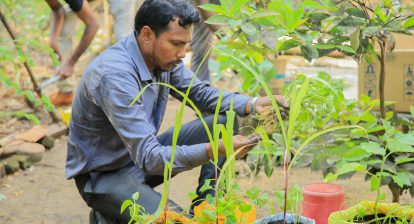

Rethinking climate risk in Sri Lanka’s plantation heartlands was the focus of On the Edge – a timely event, in collaboration with Biodiversity Sri Lanka, held at Genesis by Dilmah, following the fatal impacts of Cyclone Ditwah.
Mr. Dilhan C. Fernando, Chairman of Dilmah Ceylon Tea, in his welcome address, set the stage by emphasising why climate resilience, land use, and communities must be seen as deeply interconnected.
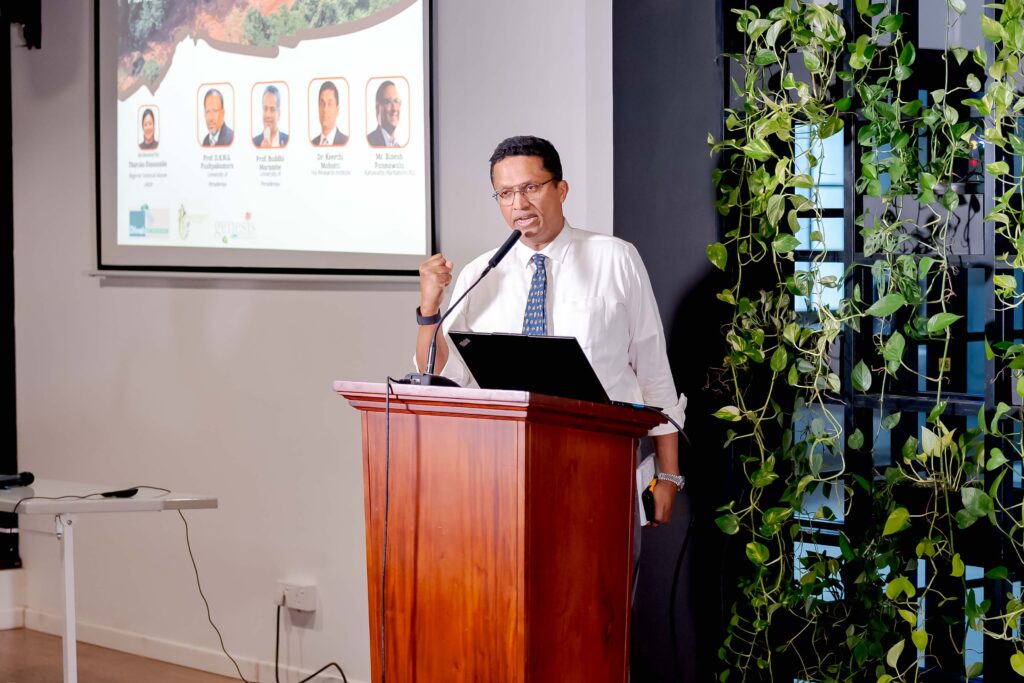
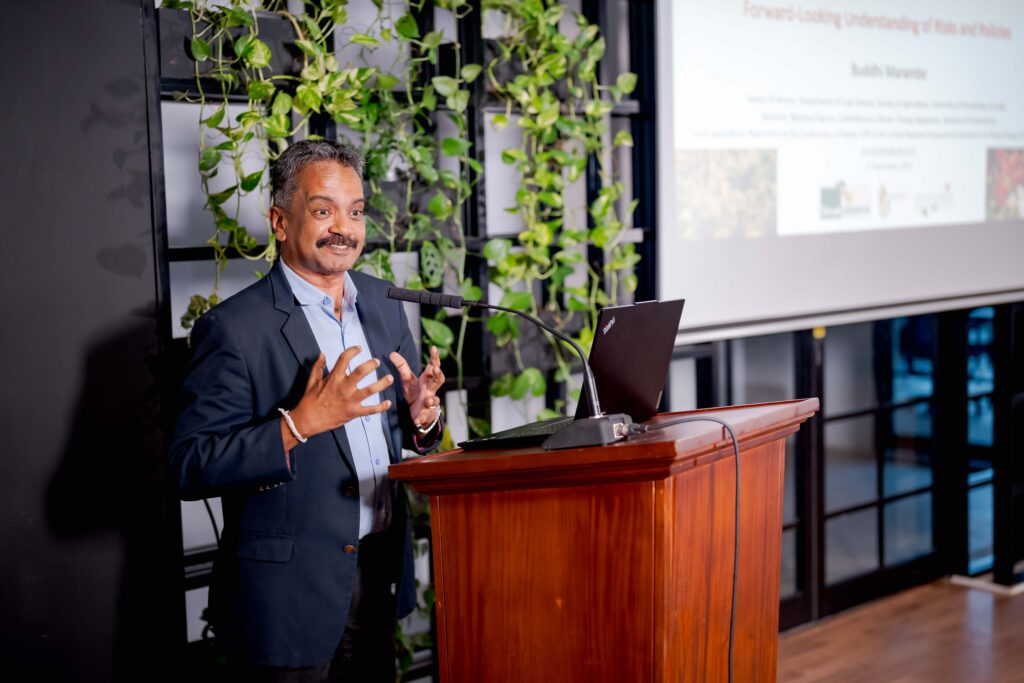
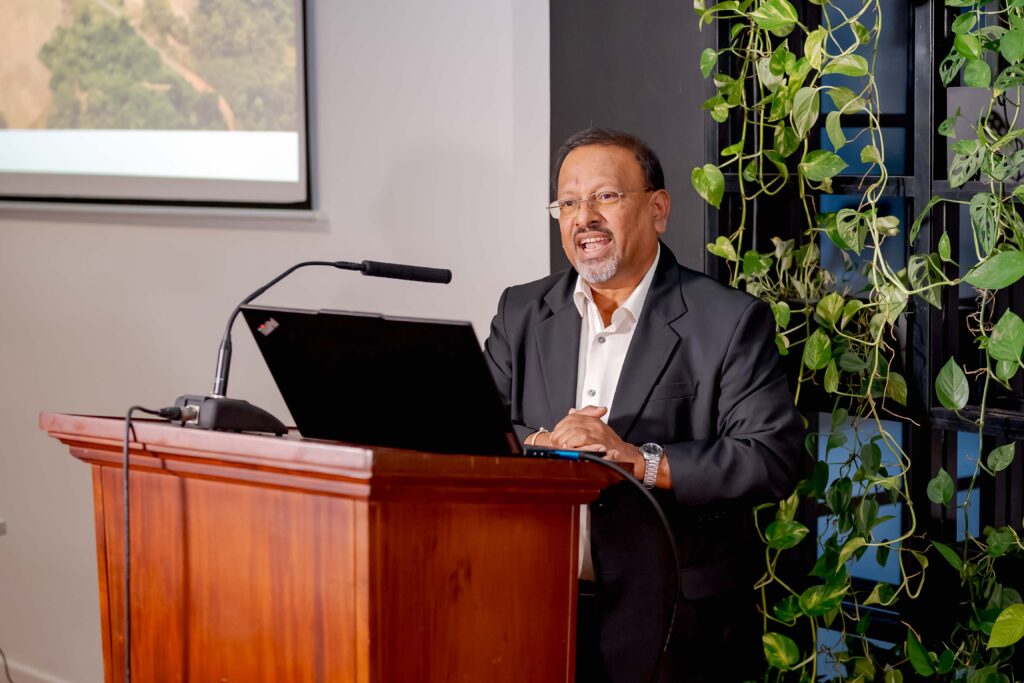
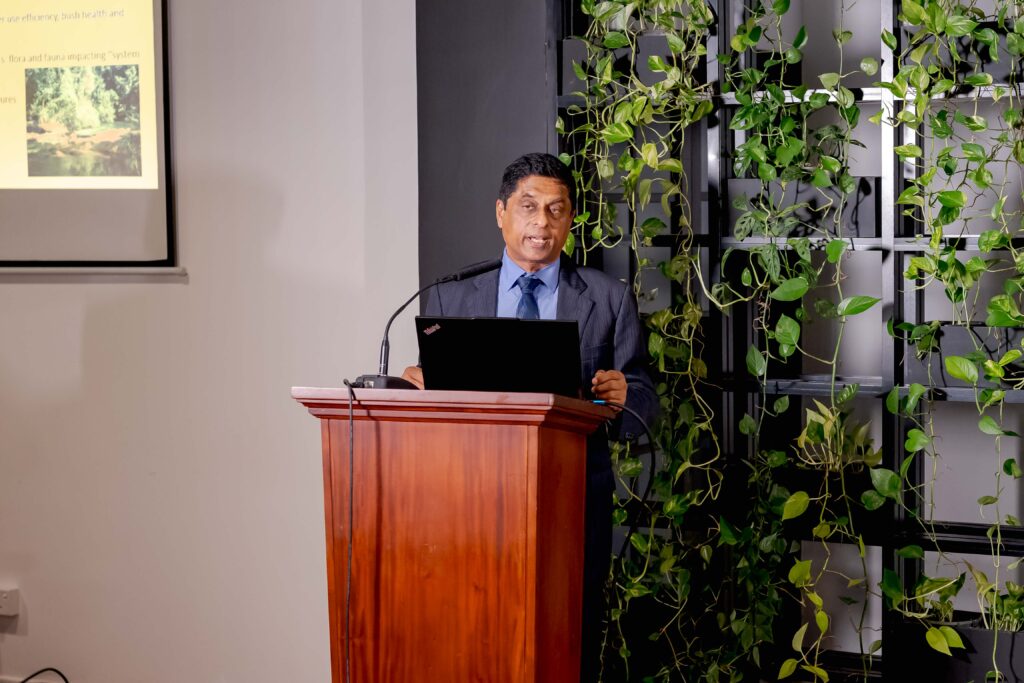
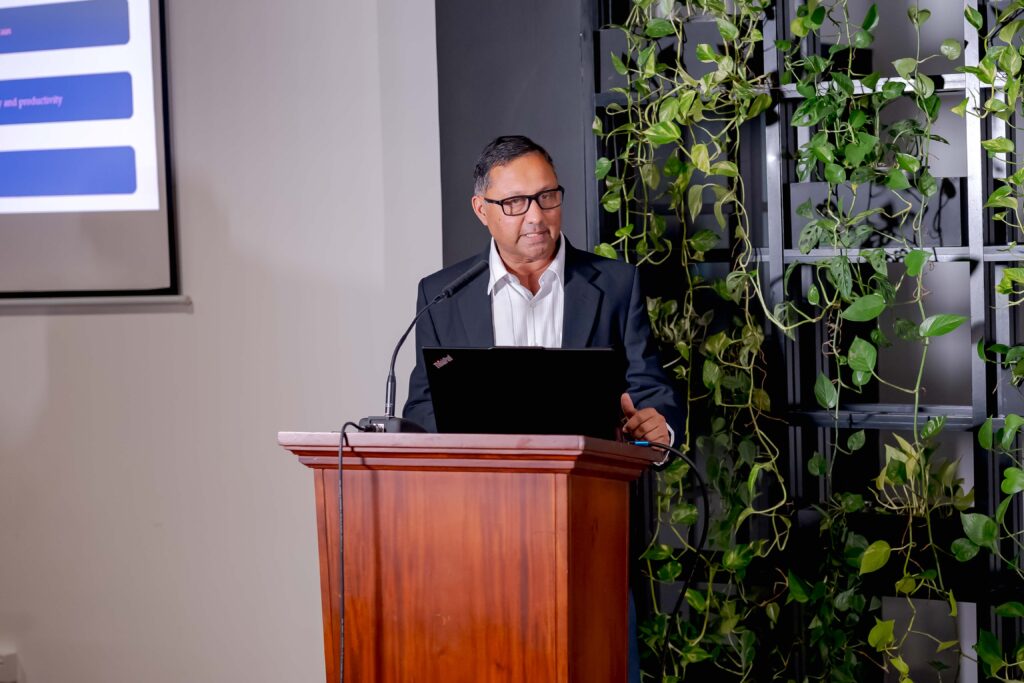
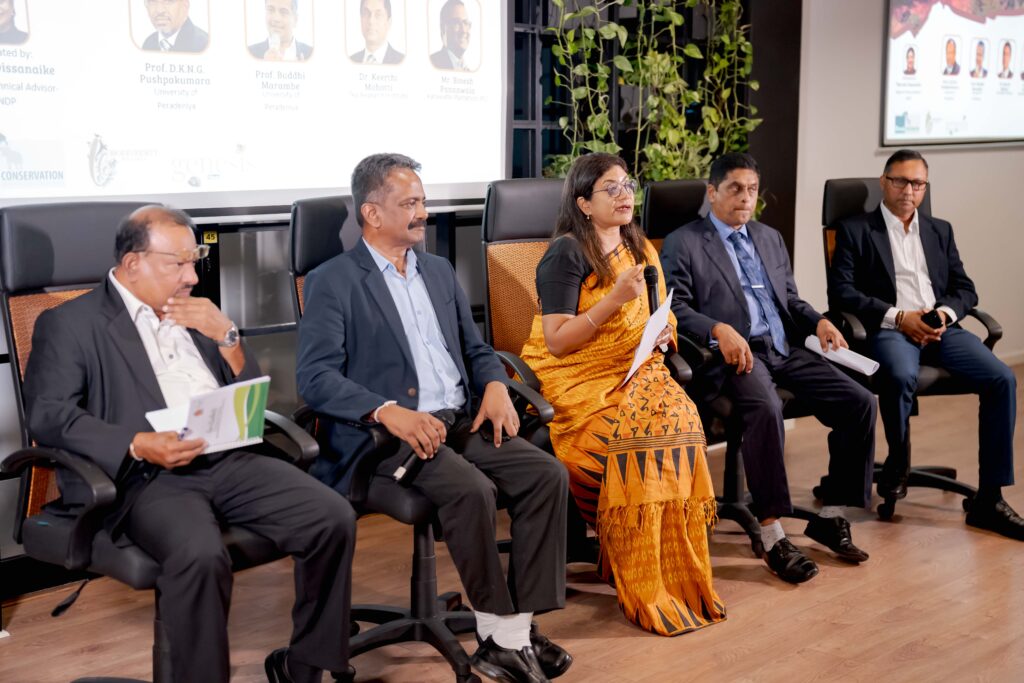
Followed by four expert presentations by Prof. Buddhi Marambe, Prof. D.K.N.G. Pushpakumara, Dr. Keerthi Mohotti, and Mr. Binesh Pananwala, bringing together perspectives from climate science, landscape ecology, the tea value chain, and ground-level plantation management, moving into a panel discussion, moderated by Ms. Tharuka Dissanaike from the UNDP.
The discussion went beyond recounting damage. Instead, it asked a deeper question: Are our plantation systems designed for the climate reality we now face?
“Disasters don’t happen in isolation, they expose the cracks in our systems.”

Climate Risk: More Than Just Extreme Weather
Using Cyclone Ditwah as a case study, Prof. Buddhi Marambe from the University of Peradeniya explained that the damage was not caused by strength alone, but by slow movement and prolonged rainfall.
“Disasters are not just about how strong an event is, but how long communities are exposed to it.”
Sri Lanka already has climate data, disaster-prone area maps, and risk models. The challenge is not the lack of information, it is how rarely this data is used in planning and policy decisions. Climate adaptation, he stressed, must focus on early warning systems, resilient infrastructure, financial tools, strong governance, and community action, not reactive responses after damage is done.
“Adaptation cannot happen in silos. Policy alignment across sectors is essential.”
Landslides Don’t Start Where They End
Prof. D. K. N. G. Pushpakumara reminded the audience that landslides are landscape-level phenomena. The visible site of damage is rarely the real cause.
“Think systems, not symptoms.”
What happens in upper catchments directly affects communities downstream. Natural forests remain one of the strongest defences against slope failure, and where forests are fragmented, biodiversity-rich tea landscapes can help bridge the gap.
Well-managed tea lands, when designed thoughtfully, can reduce disaster risk while still supporting livelihoods.
When Climate Shocks the Tea Value Chain
Dr. Keerthi Mohotti, former Director/CEO of the Tea Research Institute, outlined how Cyclone Ditwah disrupted the entire tea value chain, from soil stability and transport to labour, infrastructure, and bush health. Traditional land classification based on soil type or past yields is no longer enough.
“Disaster risk must now be built into land-use planning.”
Future-ready plantations must adopt agroforestry, terrain-specific practices, mechanisation, smart technologies, and stronger social safeguards. Disaster preparedness including worker safety and evacuation planning must be embedded into existing certification systems such as HACCP and Rainforest Alliance.
Ground Reality: Risk Has Fundamentally Changed
Speaking from lived experience, Binesh Pananwala, CEO of Kahawatte Plantations PLC, challenged the belief that plantations are naturally resilient simply because they have existed for over 200 years.
“That assumption no longer holds.”
Recent disasters revealed a major weakness: communication failures. Some regions were cut off for days, and a fatal landslide went unreported due to inaccessibility. Plantations today support nearly 989,000 residents, far beyond their direct workforce. Labour shortages, reduced land control, and unregulated cultivation have increased vulnerability.
“Preparedness weakens when land use, livelihoods, and responsibility fall out of sync.”
He also shared Dilmah’s GPS-based landslide risk mapping initiative, enabling rainfall monitoring, soil movement tracking, and predictive modelling, a tool with potential benefits for the wider industry.
This panel discussion was born from the vision of Ms. Medini Igoor, whose idea sparked a timely collaboration with Biodiversity Sri Lanka, not just to address immediate disaster recovery, but to look at the bigger picture of climate resilience, landscape management, and the future of Sri Lanka’s plantation heartlands.


What the Panel Agreed On
“Resilience is not just about recovery — it is about redesign.”
Stronger state regulation, enforcement, and private sector participation are critical.
On the Edge made it clear: Resilience will not come from reacting to disasters, but from rethinking landscapes, governance, and how we live with a changing climate.