Sometimes conservation is about protecting what we can see. Other times, it is about rediscovering what was almost lost.
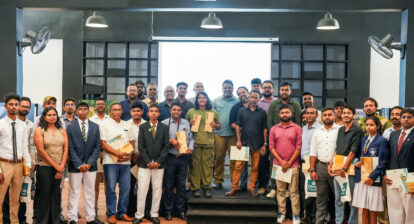
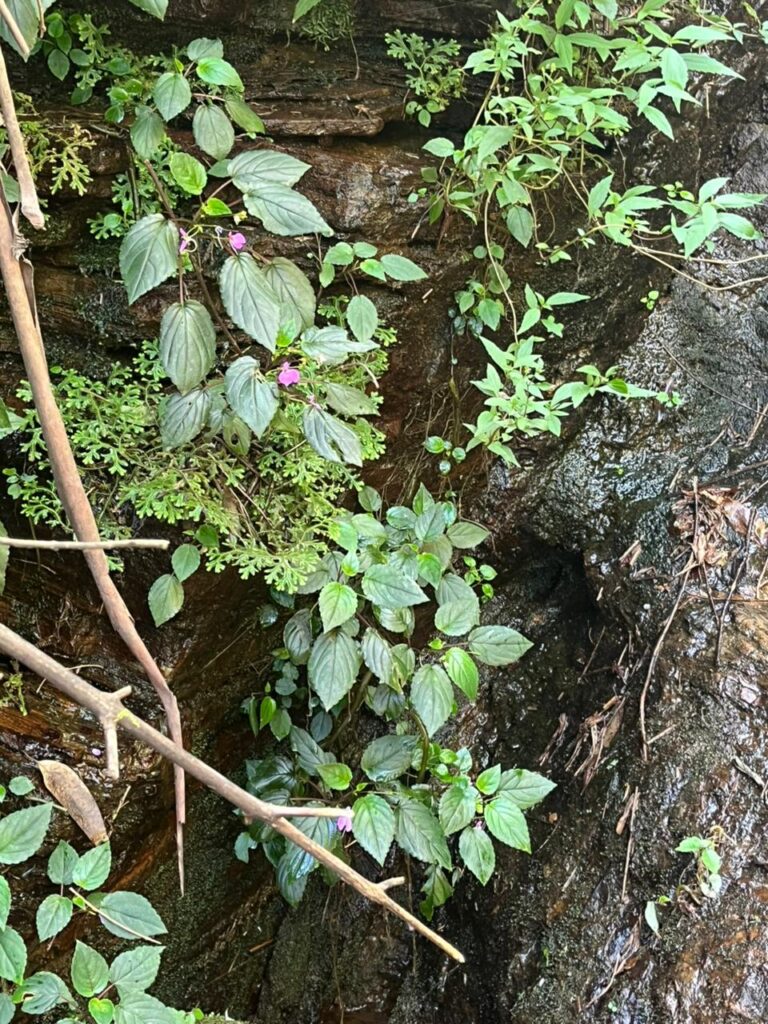
Recently, we had the opportunity to support the conservation of a rare plant species that had been considered extinct in the wild for more than 100 years. The initiative is led by the Wildlife and Nature Protection Society of Sri Lanka (WNPS) in collaboration with Hemas Holdings PLC, and it has revealed something remarkable – one of the mother plants of this species was identified at the Dilmah Queensberry Estate.
In fact, the estate is one of only three main locations in the country where this plant has been found.
From Discovery to Restoration
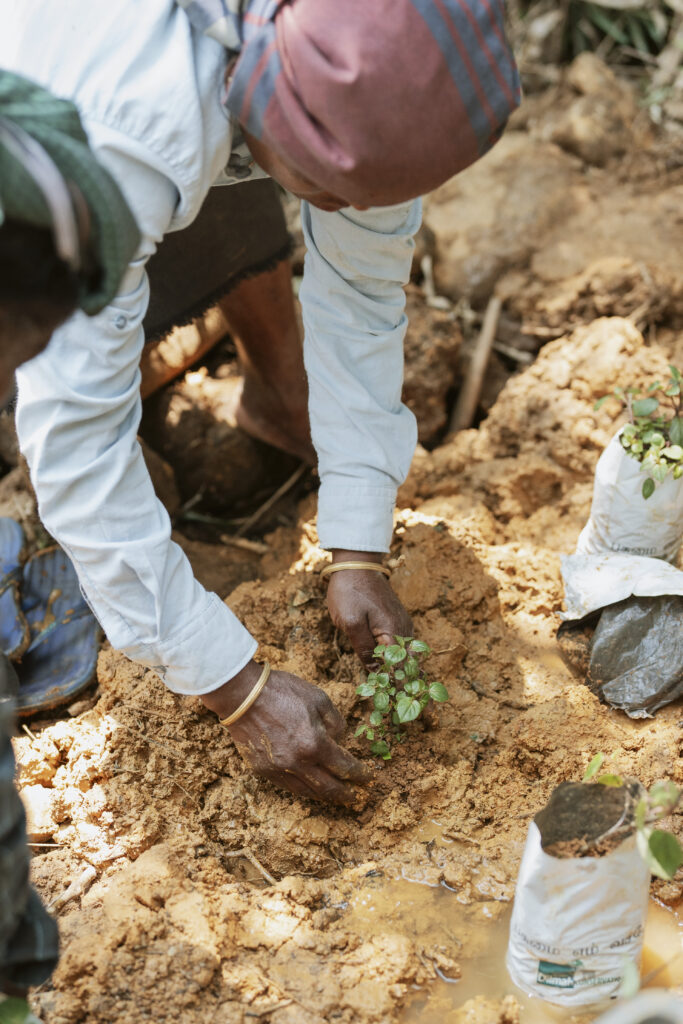
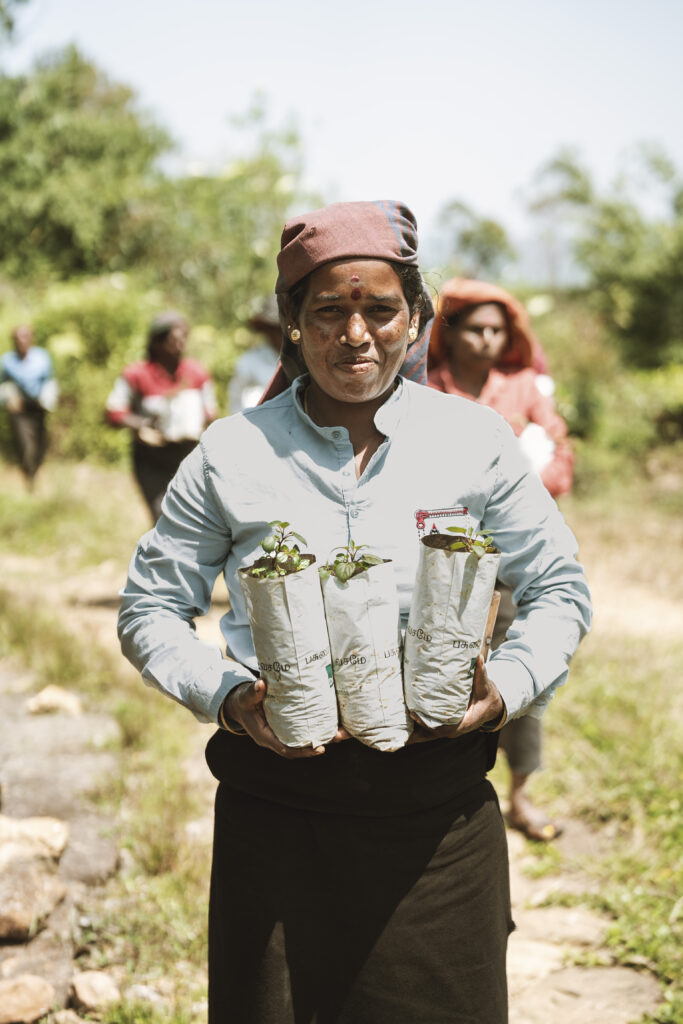
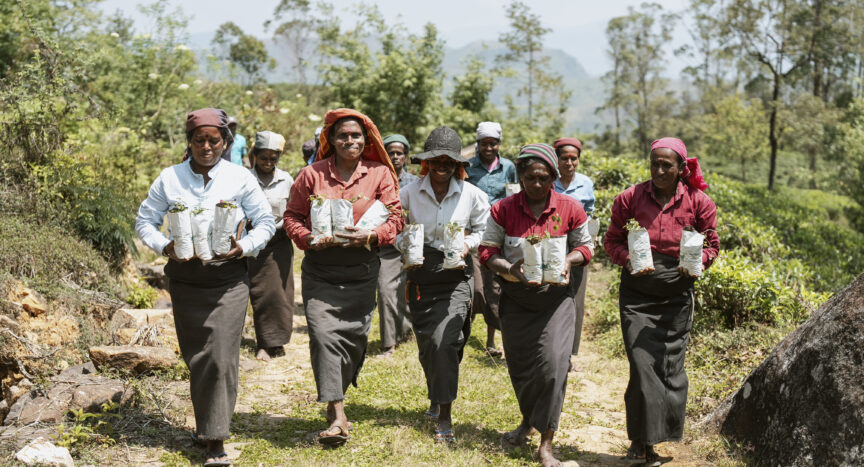
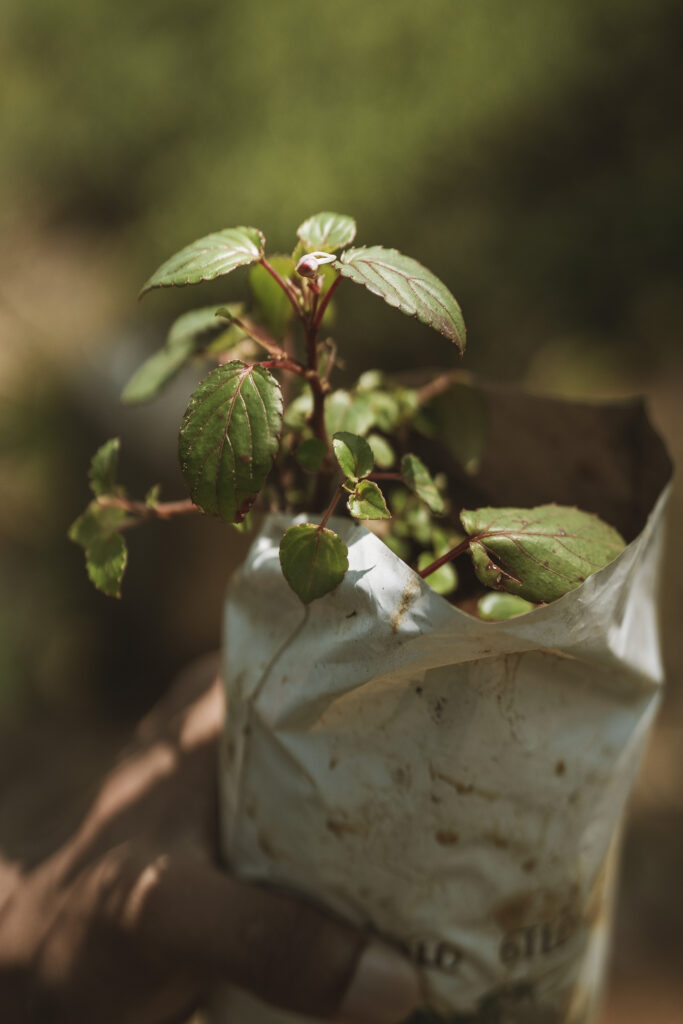
Building on this discovery, the Dilmah Conservation team joined the effort to help strengthen the population of this rare species. Seedlings were carefully raised in our nursery and recently planted near the identified mother plants on the estate.
But conservation is never just about planting.
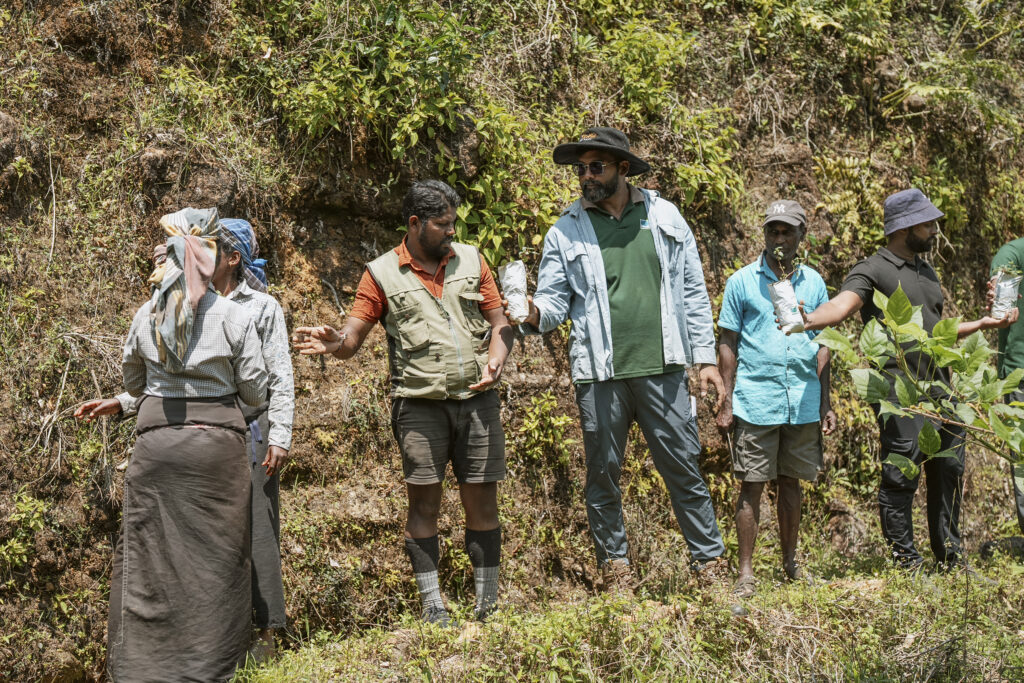
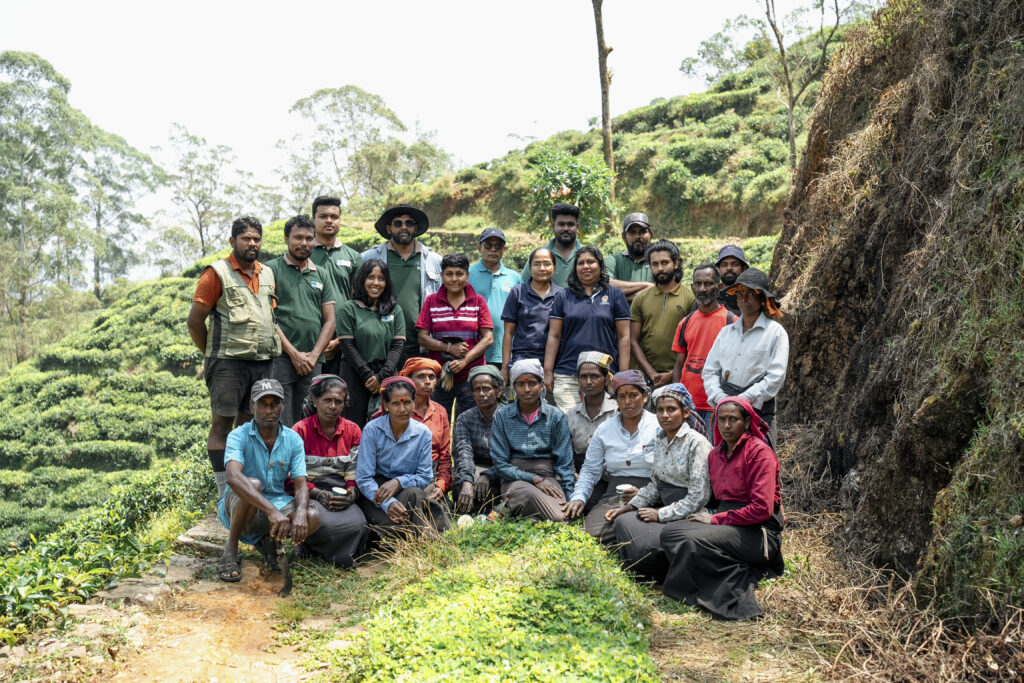
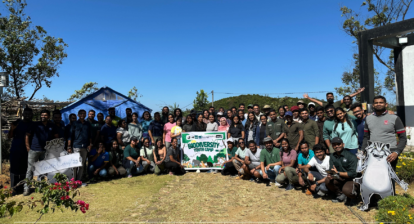
A key part of this programme was involving the estate workers themselves. The people who work closely with the land are often the first to notice subtle changes in their surroundings. By engaging them in the planting process, they learn to recognise the species and understand its importance, allowing them to actively protect new plants that emerge naturally in the area.
This simple step helps create long-term protection for the species.
Guided by Expertise
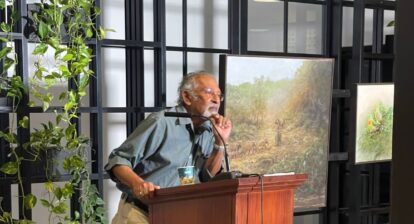
The project is being guided by the expertise of Dr. Bathiya Gopallawa, ensuring that the planting, monitoring, and care of the species follow the right scientific practices.
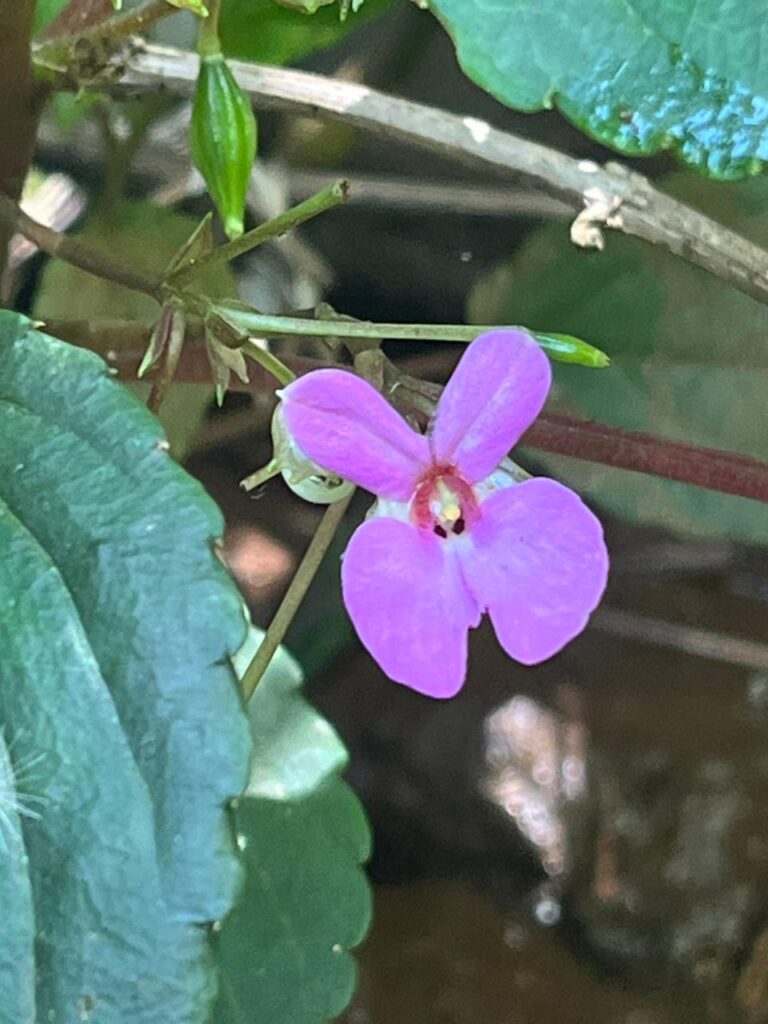
The plant belongs to the Balsam family and is locally known as the kuudalu variety. Importantly, it is endemic to Sri Lanka, meaning it is found nowhere else in the world. It is also distinct from the more commonly known Indian varieties of balsam, which makes its conservation even more significant.
A Small Step for Nature, A Big Step for Conservation
Efforts like this remind us that conservation is often about patience, collaboration, and careful stewardship. A plant that once disappeared from the wild now has a chance to grow again, supported by scientists, conservationists, and the very people who work the land every day.
Together, we are proud to play a small role in bringing this remarkable species back from the brink.