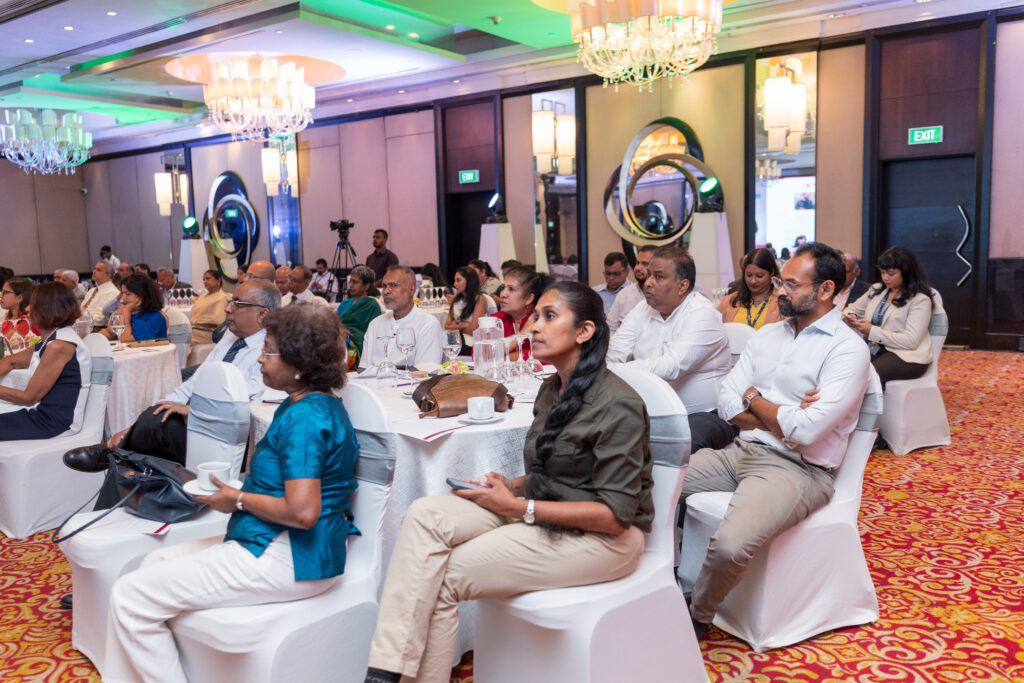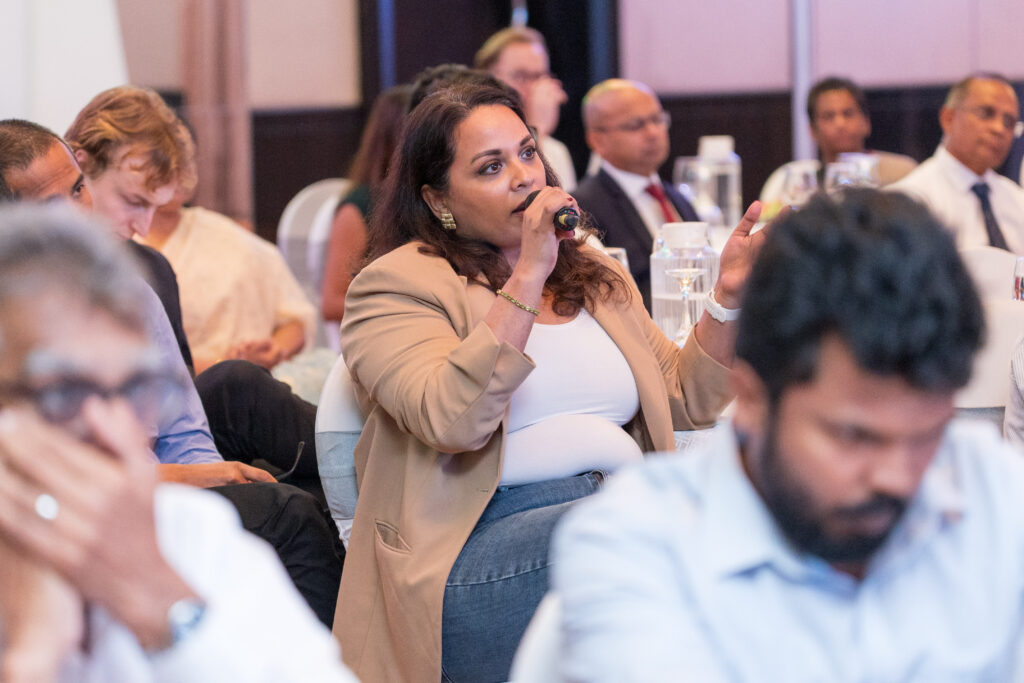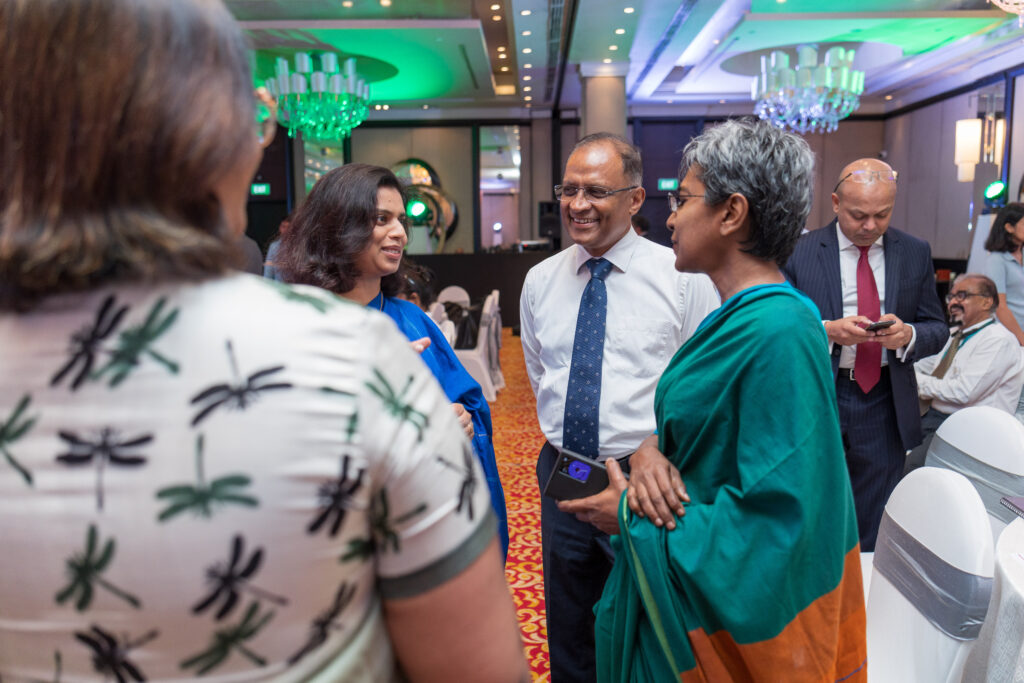
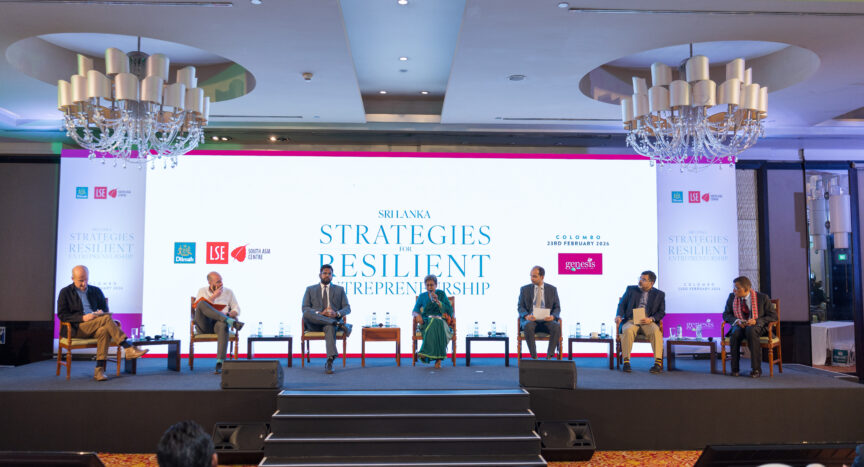
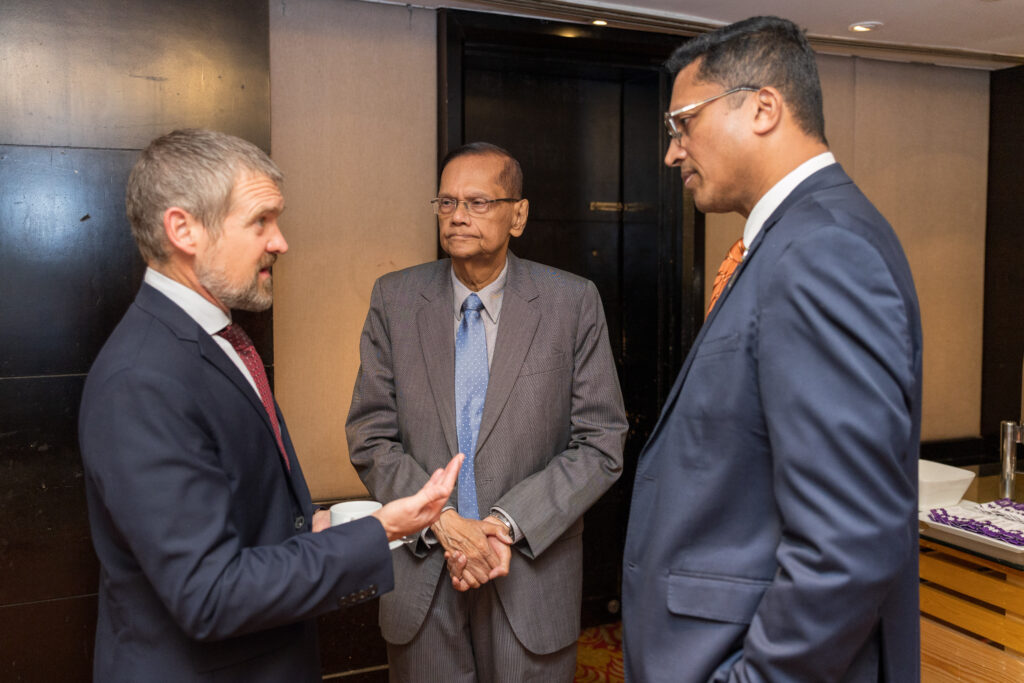
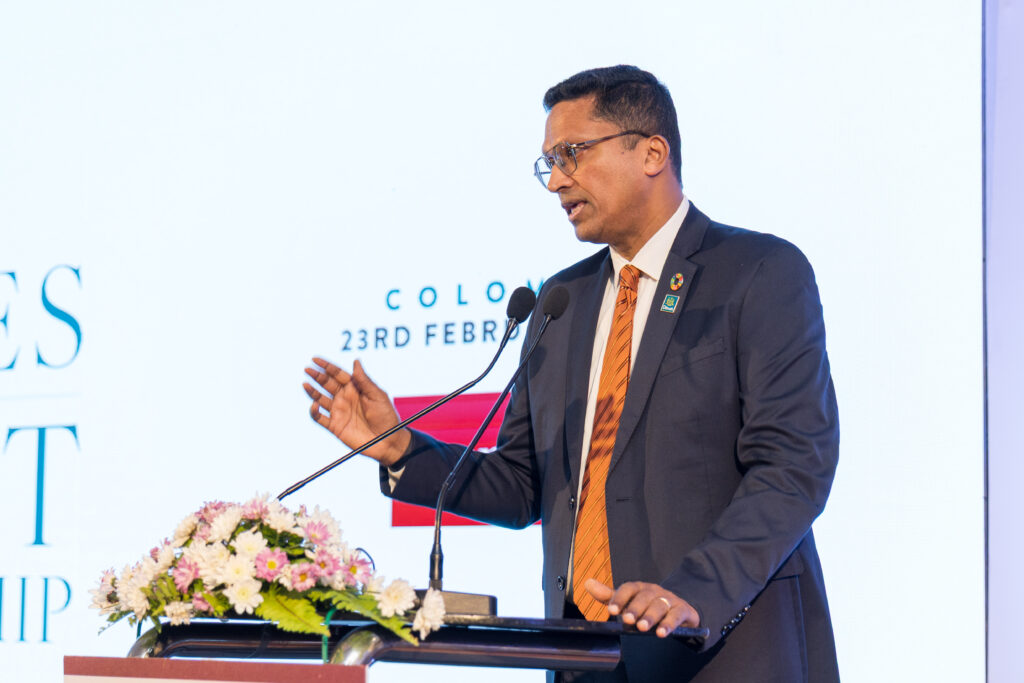
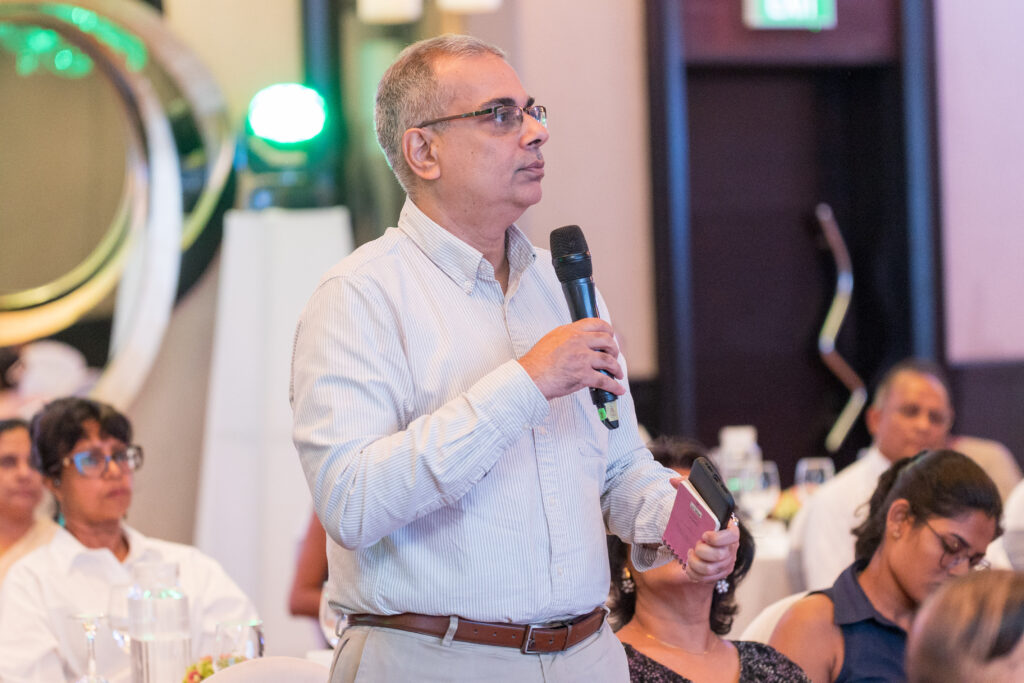
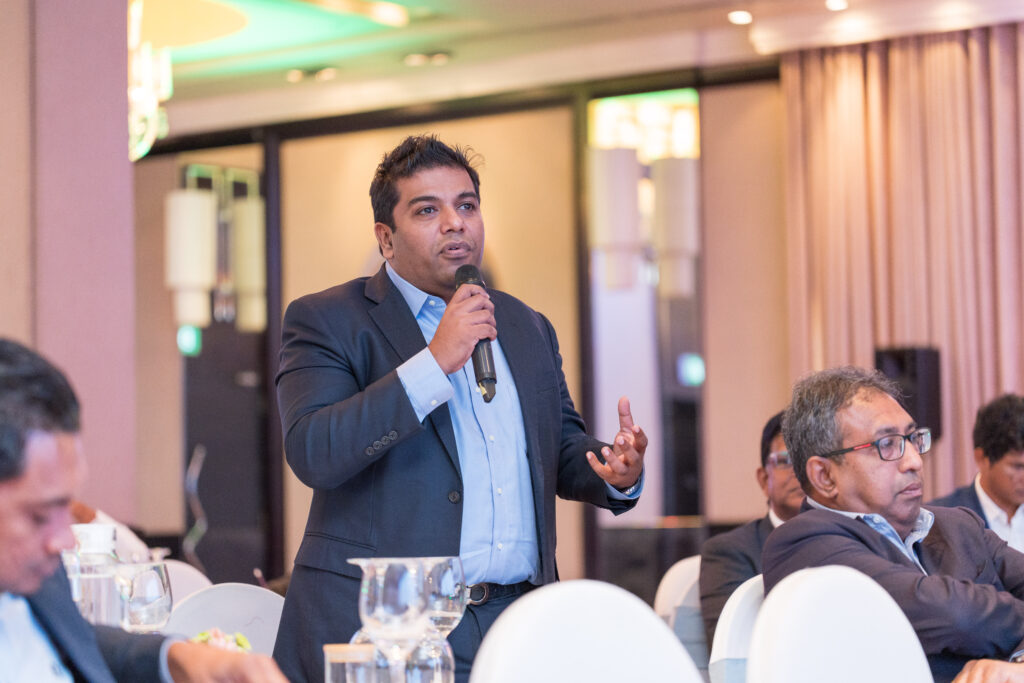
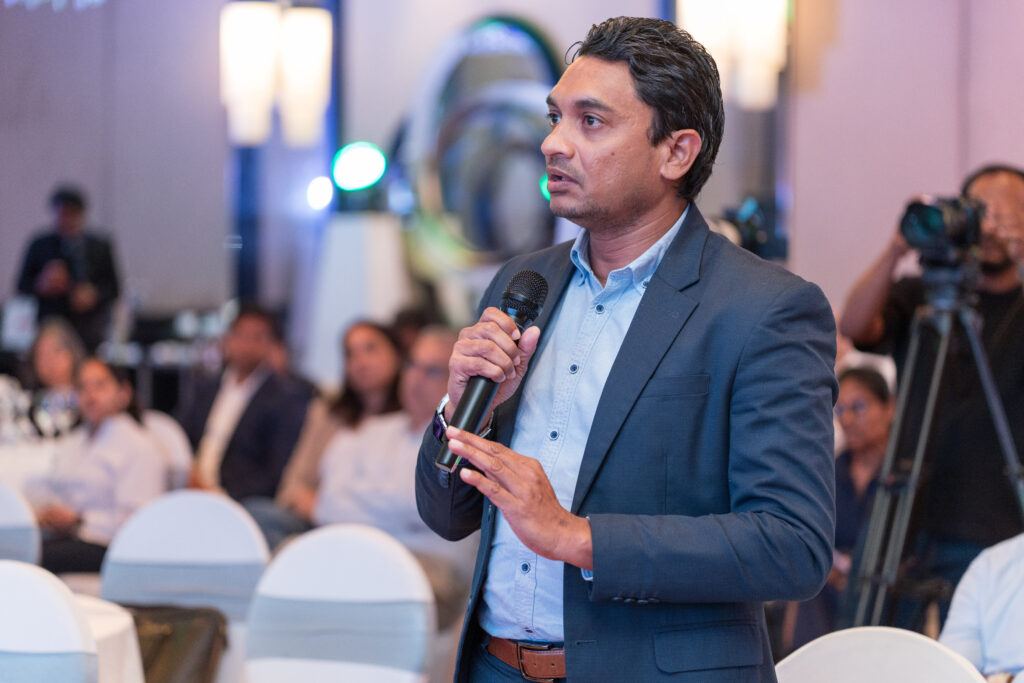
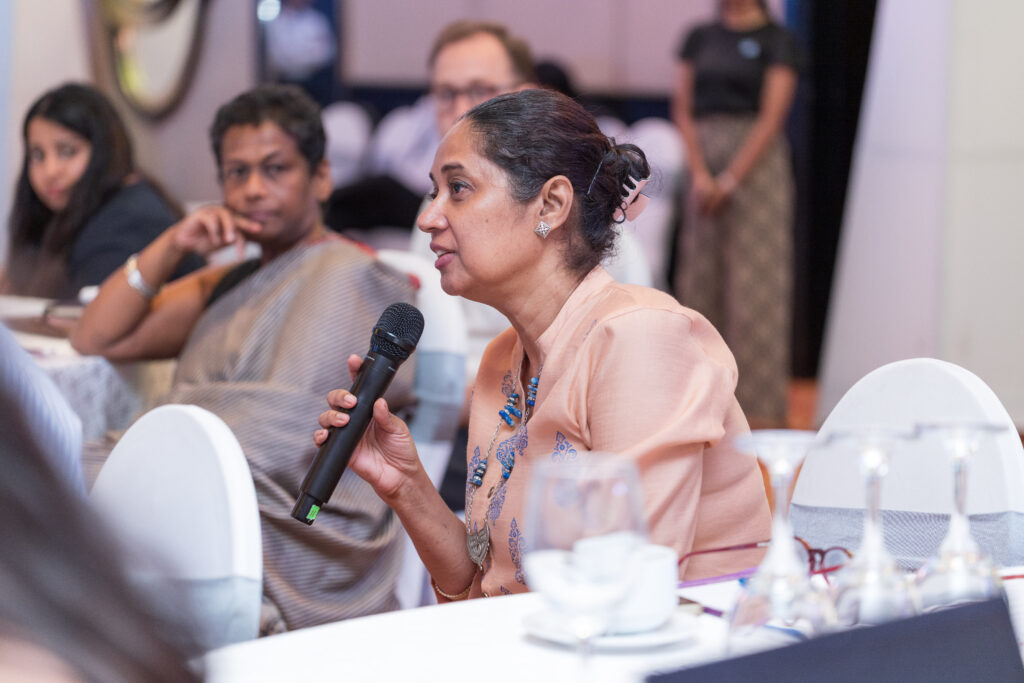
As Sri Lanka’s macroeconomic indicators begin to show signs of improvement, a deeper and more complex question continues to surface beneath the optimism. Is stabilisation the same as recovery, or is it merely a pause in the turbulence? This question framed a high-level workshop and roundtable titled ‘Sri Lanka: Strategies for Resilient Entrepreneurs’ convened by Dilmah, Genesis Dilmah Centre for a Sustainable Future, and South Asia Centre (London School of Economics and Political Science) in Colombo. Global academics, policy thinkers, and practitioners came together to interrogate what recovery truly means for entrepreneurs who have lived through years of overlapping crises. The debate, therefore, is not whether Sri Lanka has stabilised, but whether it has genuinely begun to recover.
During his opening remarks, Dilhan C. Fernando, Chairman & CEO of Dilmah, who is also an LSE alumnus, said: “This is one of the most important events that we’ve been involved in. The work and discussions will extend into a white paper, which will then be vigorously advocated for to empower Sri Lankan entrepreneurs.”
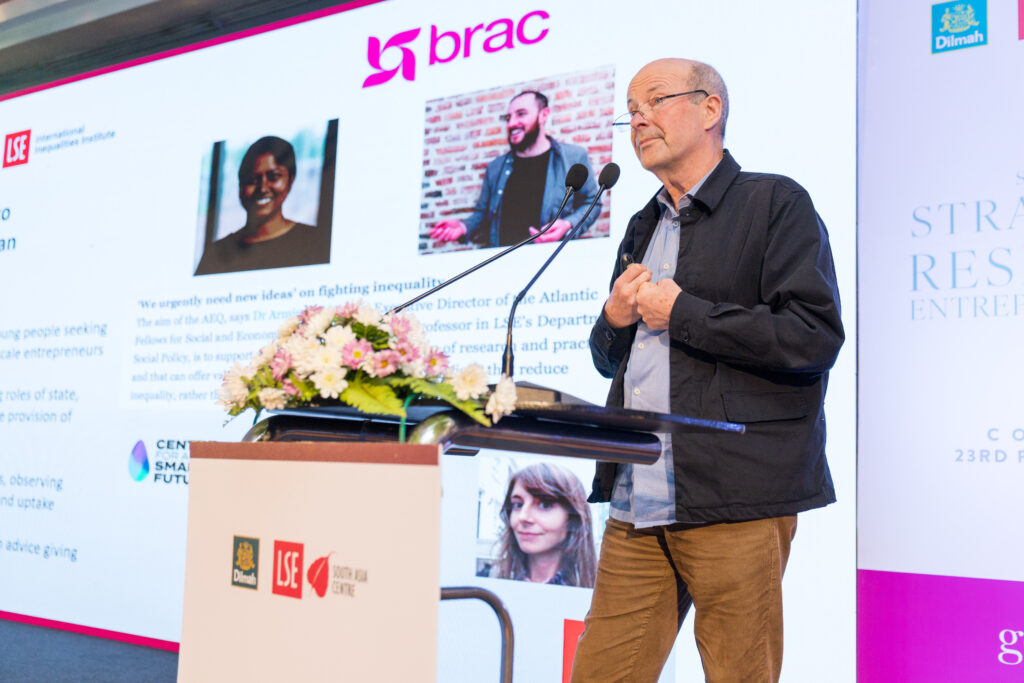
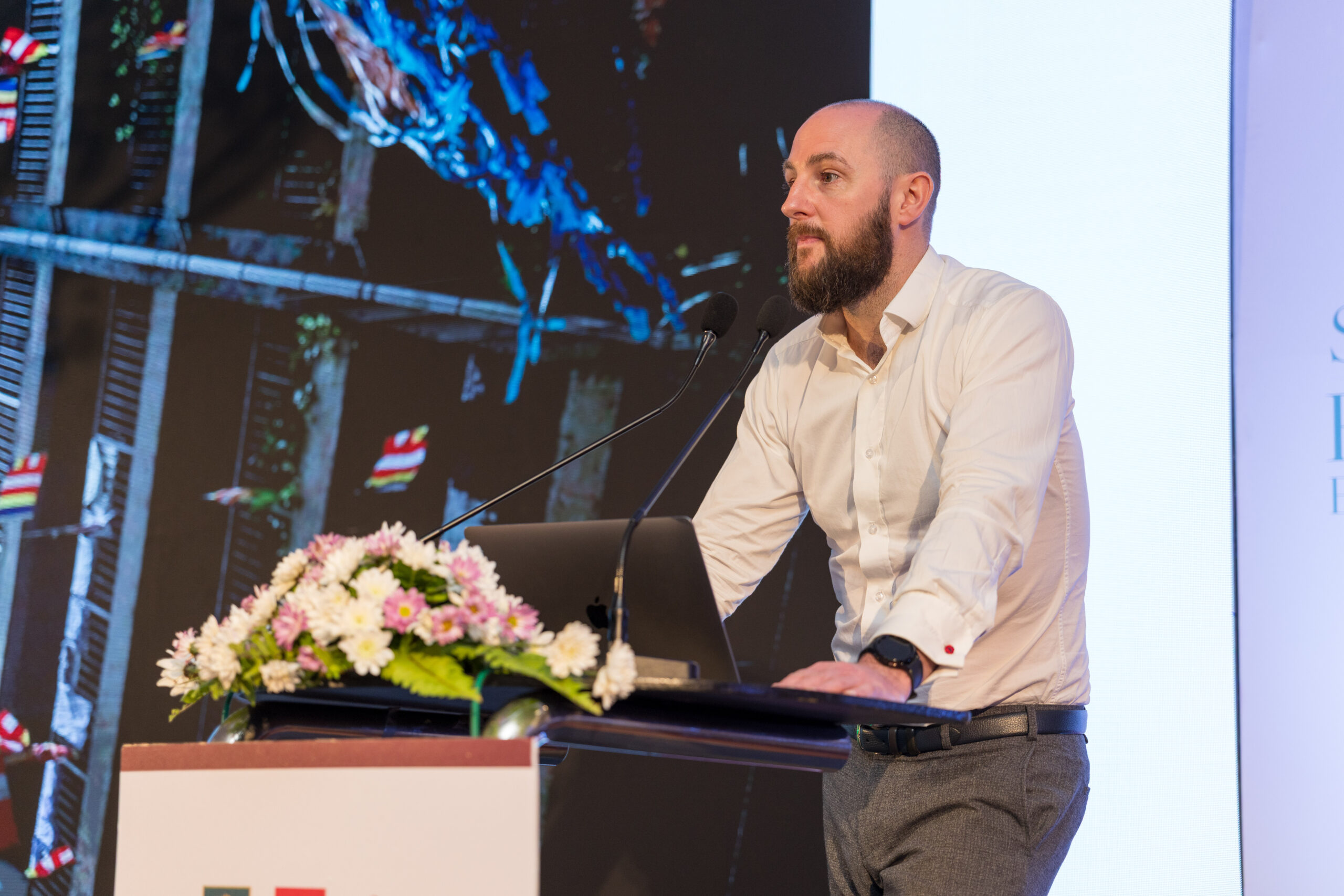
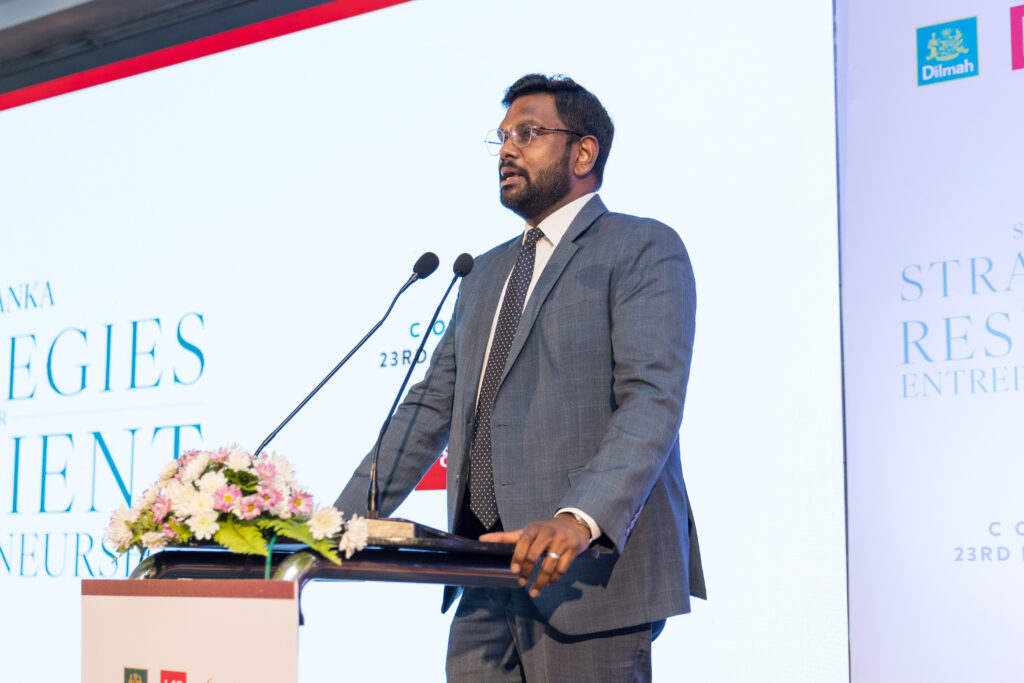
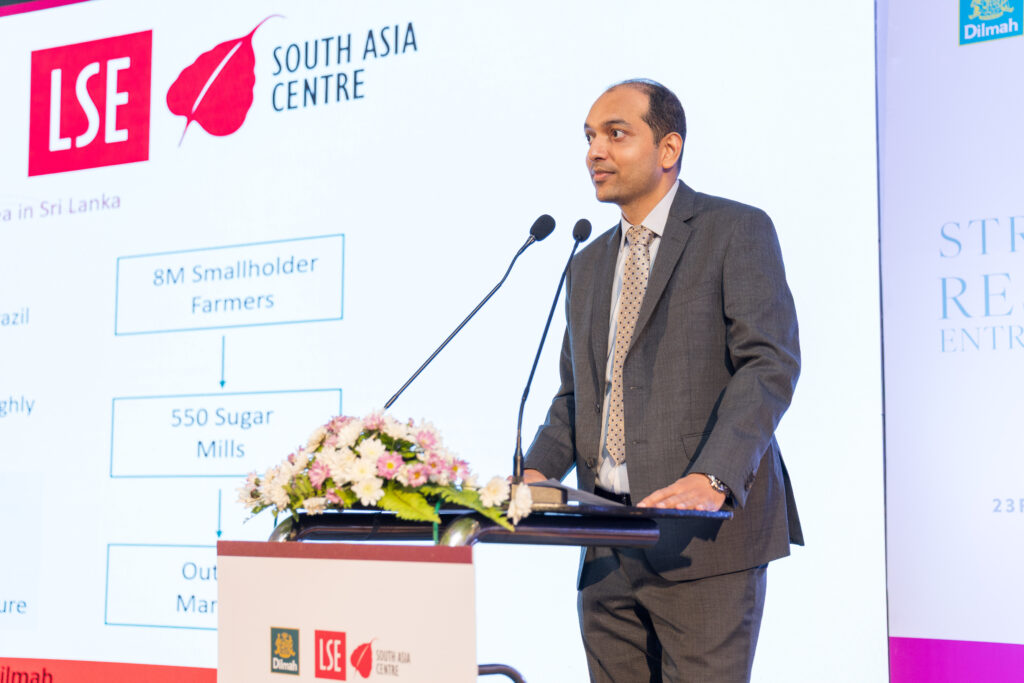
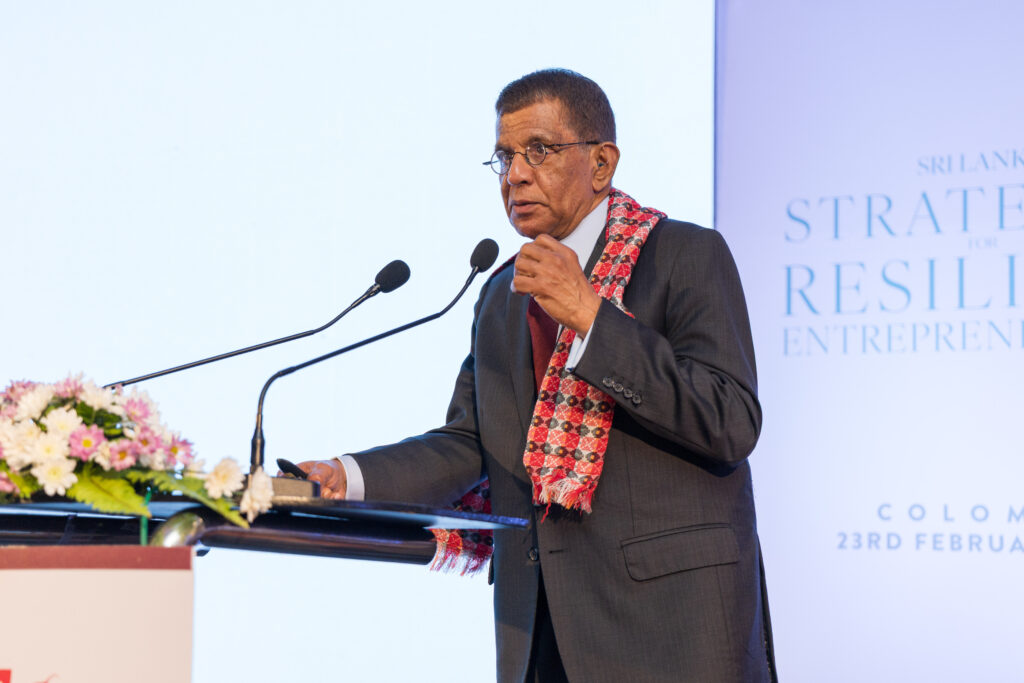
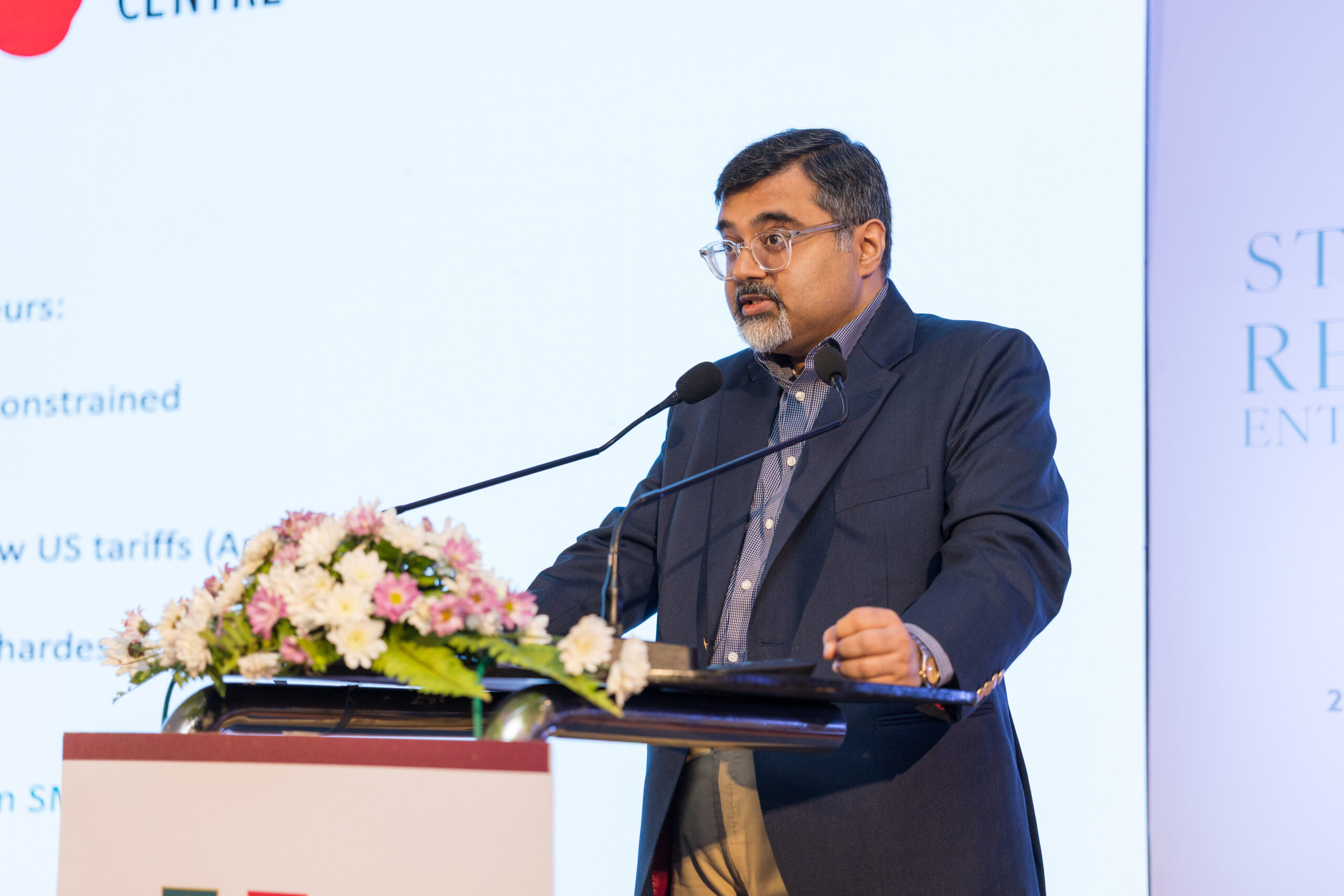
The speakers and presenters at the event included: Dr Luke Heslop (Senior Lecturer in Anthropology and Global Challenges at Brunel University of London), Animesh Jayant (Doctorand in the Department of Economics at LSE), David Lewis (Professor of Anthropology and Development at LSE), Abhilash Puljal (LSE alumnus and Country Director at India at Expectation State), Naufel Vilcassim (Director, LSE South Asia Centre and Professor in the Department of Management at LSE), Dr Dushni Weerakoon (Executive Director, Institute of Policy Studies of Sri Lanka), and Anushka Wijesinha (Co-Founder and Director, Centre for a Smart Future in Colombo).
Research presented during the discussion challenged longstanding assumptions about what entrepreneurs need most during periods of crisis and recovery. Evidence from multi-year studies across East Africa revealed that while access to finance is necessary, it is rarely sufficient to drive lasting growth. Micro and small businesses that received structured business guidance, rather than additional capital alone, showed significantly stronger and more durable improvements in sales and performance. The impact was not driven by abstract theory, but by practical, market-facing advice that helped entrepreneurs refine pricing, understand customers, and sharpen their value propositions.
Equally striking was the social dimension of this support. Entrepreneurs who worked with coaches they trusted, and who understood their lived realities, performed better than those who received technically similar but emotionally distant guidance. In particular, women entrepreneurs paired with women coaches demonstrated stronger outcomes; underscoring that confidence, trust, and psychological safety are forms of capital often overlooked in traditional enterprise support models. The conclusion was clear: recovery efforts that prioritise liquidity while neglecting capability and confidence are incomplete.
The conversation then widened beyond individual firms to national strategy. While macroeconomic stabilisation has created breathing space, it does not, on its own, constitute a growth vision. Comparative experiences from Rwanda, Estonia, South Korea, Vietnam, and Georgia illustrated that countries that emerged stronger from crisis did so by owning a long-term, domestically driven reform agenda. They used moments of external support not as an end goal, but as a platform for deeper institutional transformation, prioritising digital infrastructure, export competitiveness, and policy continuity.
Sri Lanka’s challenge, participants argued, lies in translating stabilisation into a coherent and sustained strategy for enterprise growth. This is particularly relevant in sectors such as agriculture and tea, where the country already possesses global recognition but continues to grapple with structural inefficiencies and value-chain limitations. The tea sector itself offers a powerful metaphor. The global success in Ceylon tea has never been built on volume alone, but on quality, provenance, traceability, and trust. The same logic applies to the broader economy. Competing on cost may ensure survival, but competing on value is what enables transformation.
In this context, the role of institutions becomes critical. Entrepreneurs in Sri Lanka have demonstrated extraordinary resilience, adapting through informal networks, personal savings, and sheer determination. Yet resilience should not be mistaken for sustainability. Years of crisis have eroded not only financial buffers, but also psychological capital. Rebuilding confidence is slower and more complex than restoring balance sheets, but it is no less essential. Without confidence in policy consistency, institutional support, and market opportunity, entrepreneurs will remain cautious, even as indicators improve.
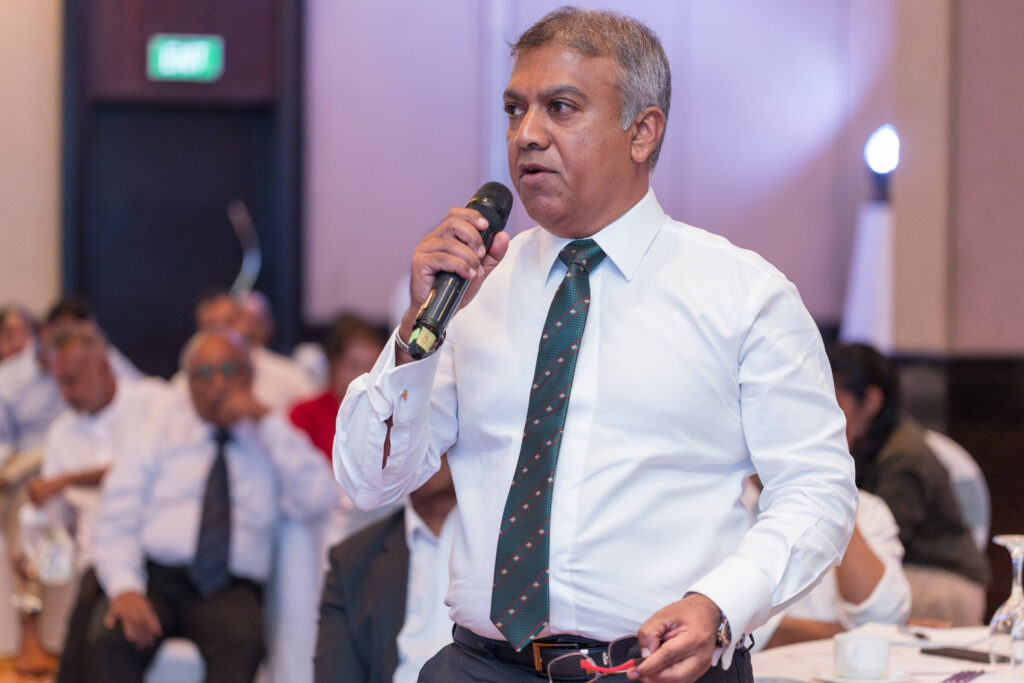
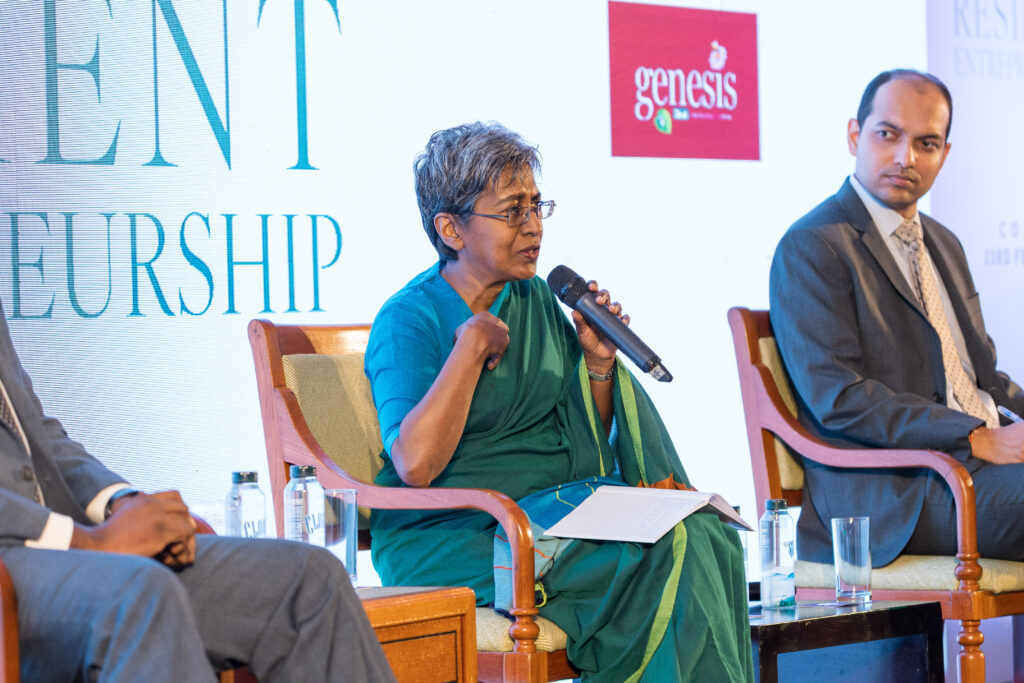
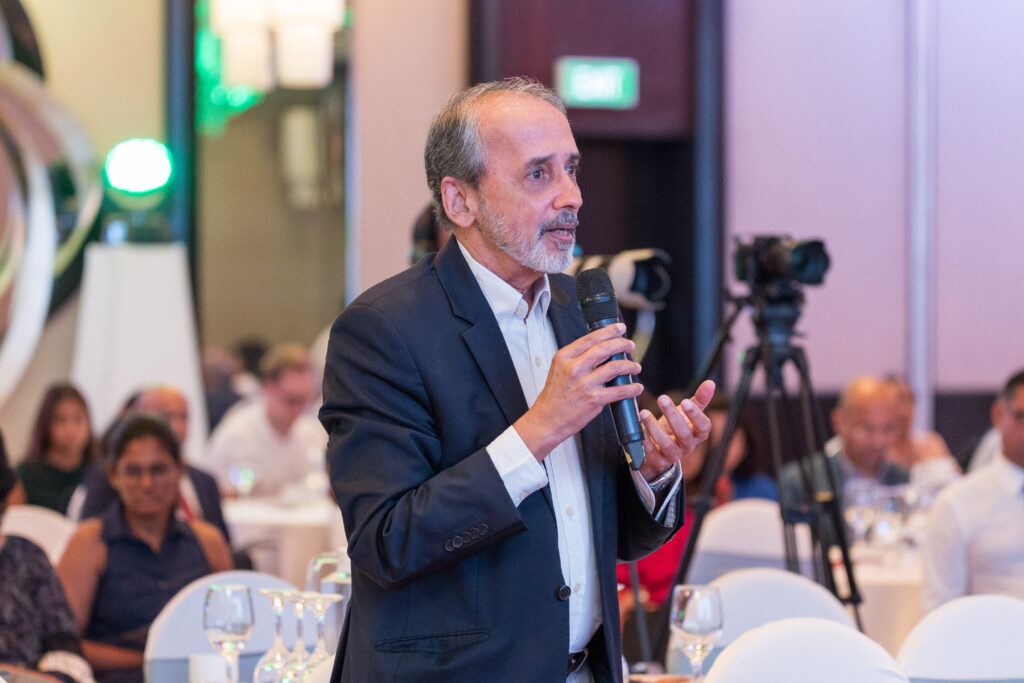
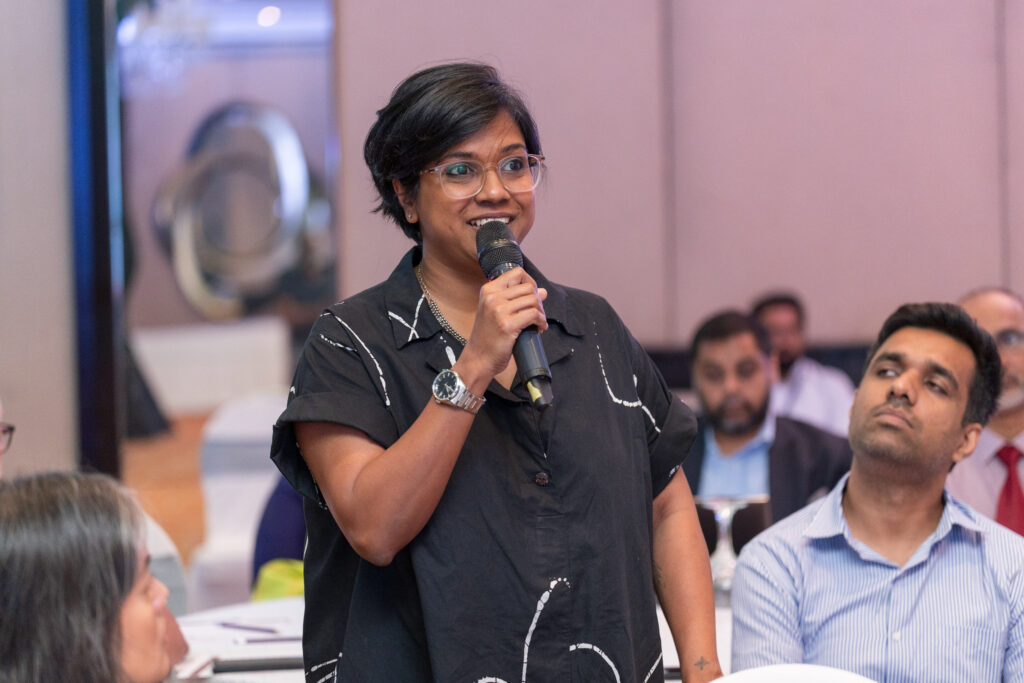
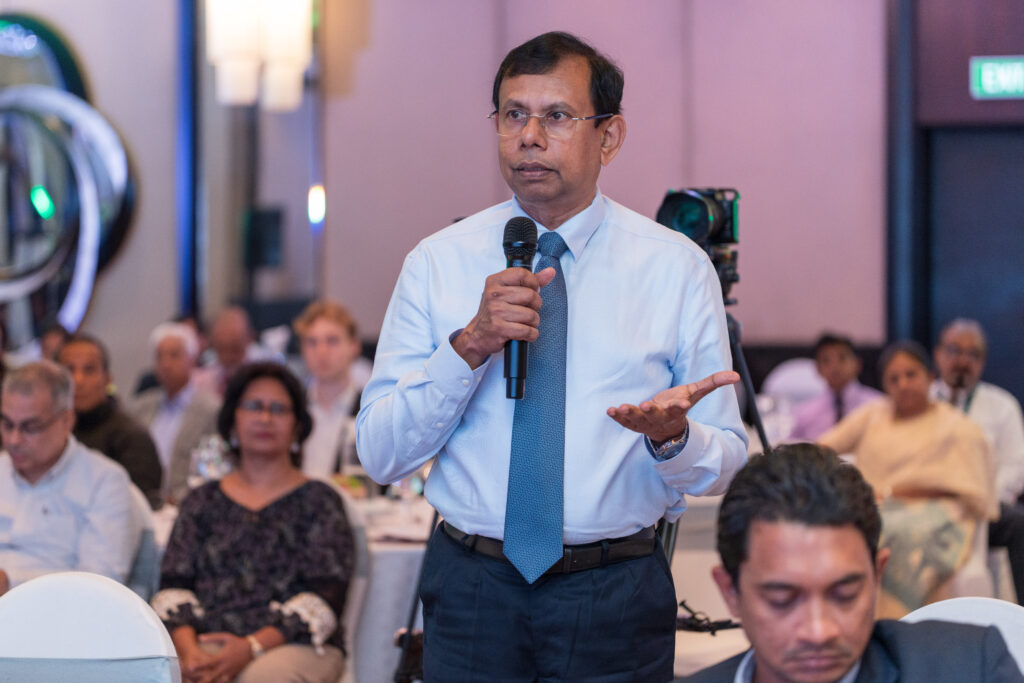
The roundtable did not shy away from uncomfortable truths. Enterprise support in Sri Lanka remains fragmented, overly reliant on financial instruments, and insufficiently focused on advisory, mentoring, and long-term capability building. At the same time, there are promising signs. Innovative private-sector initiatives, adaptive public institutions, and growing global linkages demonstrate that alternatives are possible and effective.
By convening this dialogue, Dilmah in collaboration with LSE South Asia Centre, positioned itself not merely as a corporate host, but as a catalyst for national reflection. It was an invitation to move from short-term fixes to long-term vision, from survival to strategy, and from stabilisation to transformation.
As the discussion concluded, the prevailing sentiment was neither pessimism nor complacency, but cautious conviction. Sri Lanka has rebuilt before. It has nurtured globally respected industries before. The entrepreneurial instinct remains strong. Stabilisation has bought time. The responsibility now is to use that time wisely, align institutions with entrepreneurial energy, and restore confidence as a form of national capital. If that alignment is achieved, the next chapter will not simply be about recovery, but about reinvention.