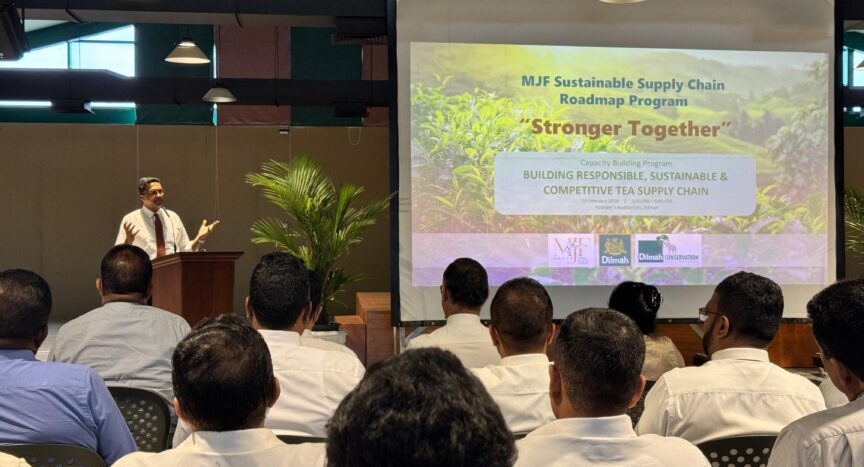
While much of the world races to make tea cheaper, we continue to focus on making its future ‘Stronger Together’.
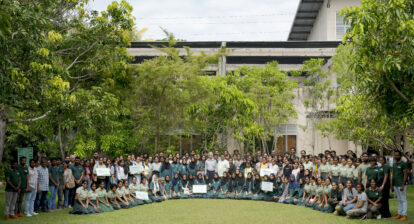
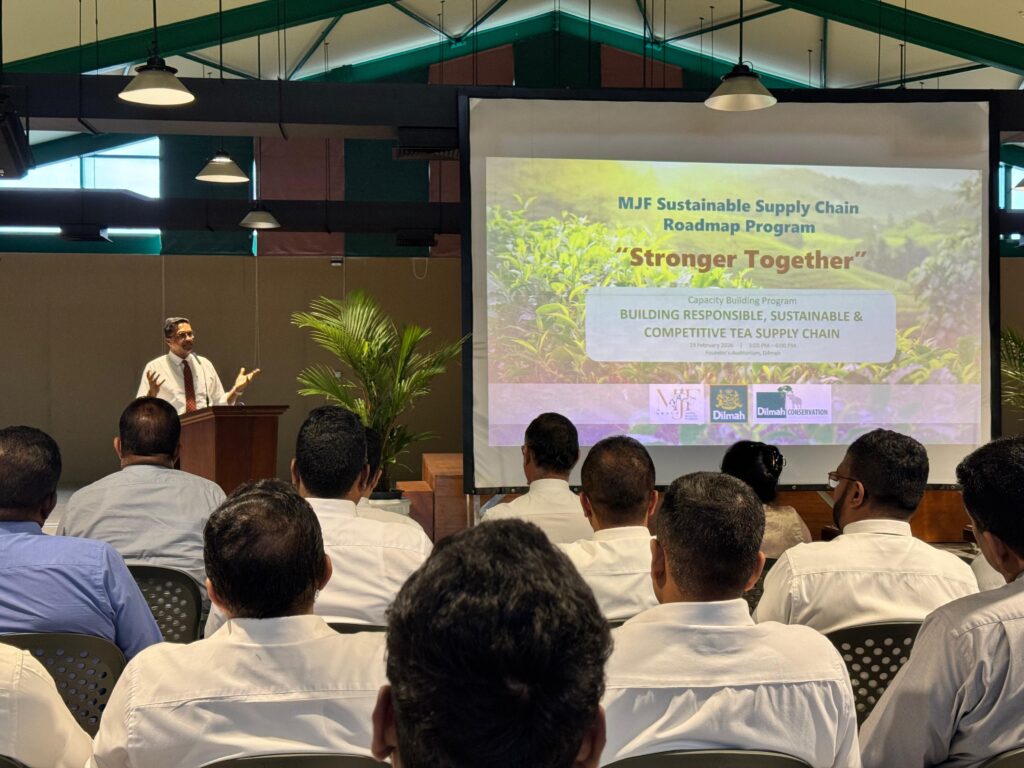
As part of our Sustainable Supply Chain Roadmap, last month we hosted the latest session of Stronger Together initiative, an effort to strengthen ESG sustainability for our supply chain. This session brought together teams from Kahawatte Plantations for a discussion on building a responsible, sustainable and competitive tea supply chain.
“While the global tea industry is often driven by cost, at Dilmah we continue to choose quality. Not because it is easy, but because it is right. Quality remains our foundation and will guide us all the way to 2030. It is what protects our consumers, supports our growers, and safeguards the integrity of Ceylon tea.”
– DILHAN C. FERNANDO – CHAIRMAN, DILMAH CEYLON TEA
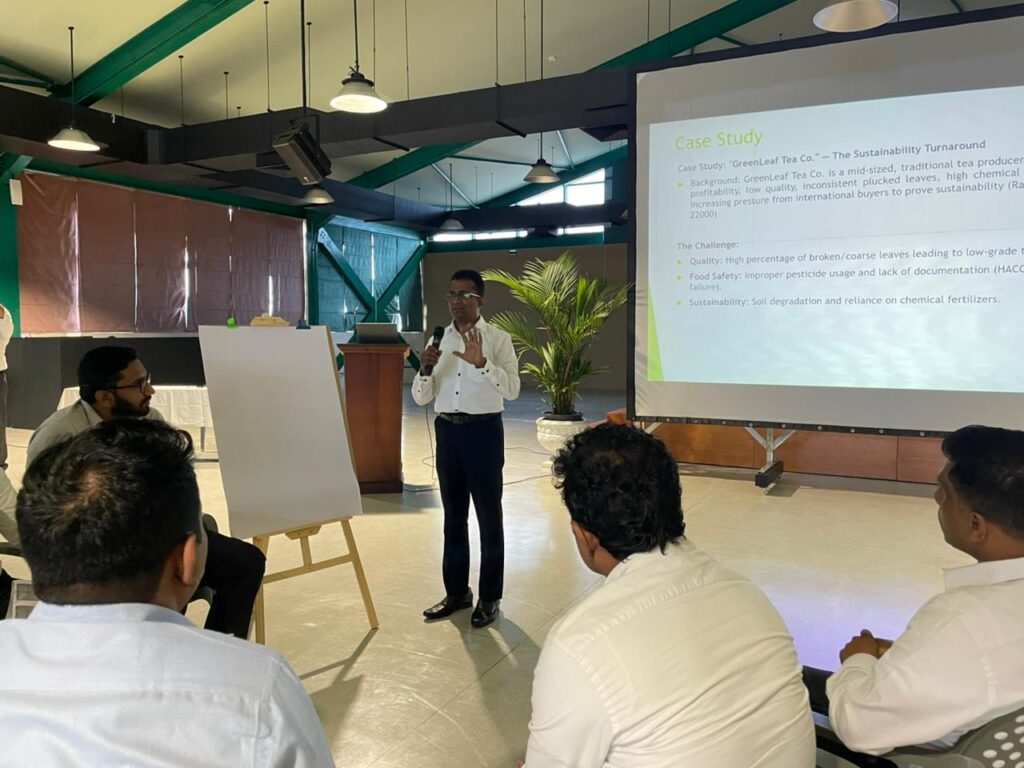
Building on this, our keynote speaker, Mr. Rohitha Wickramasinghe, Management Systems Implementation, Training and Governance Professional, brought a wider global lens to the discussion.
“Today’s consumers, are looking far beyond price tags. They want to know the story behind their tea. They are asking about carbon footprints, water use, ethical practices, and environmental impact. Sustainability is no longer a “nice to have.” It is an expectation.”
Sri Lanka is already recognised for producing some of the cleanest teas in the world, but maintaining that reputation requires systems, discipline, and constant improvement.


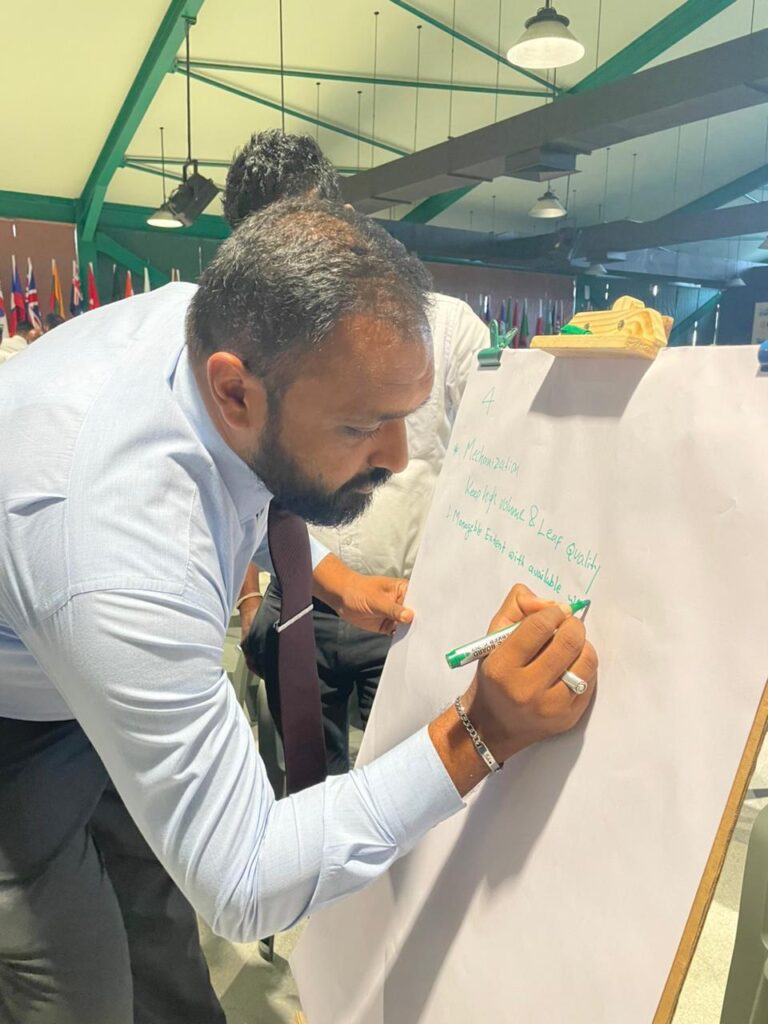
Through an interactive group activity led by Mr. Rohitha, participants reflected on practical realities within the estates discussing challenges, responsibilities, and opportunities to strengthen systems that work not only on paper, but in the field.
A key highlight of the event was the introduction of our Agricultural Code of Conduct, setting clear, unified standards across our supply chain covering responsible farming practices, food safety, ethical conduct, and environmental stewardship. It provides structure and clarity, ensuring that everyone moves in the same direction with shared accountability.
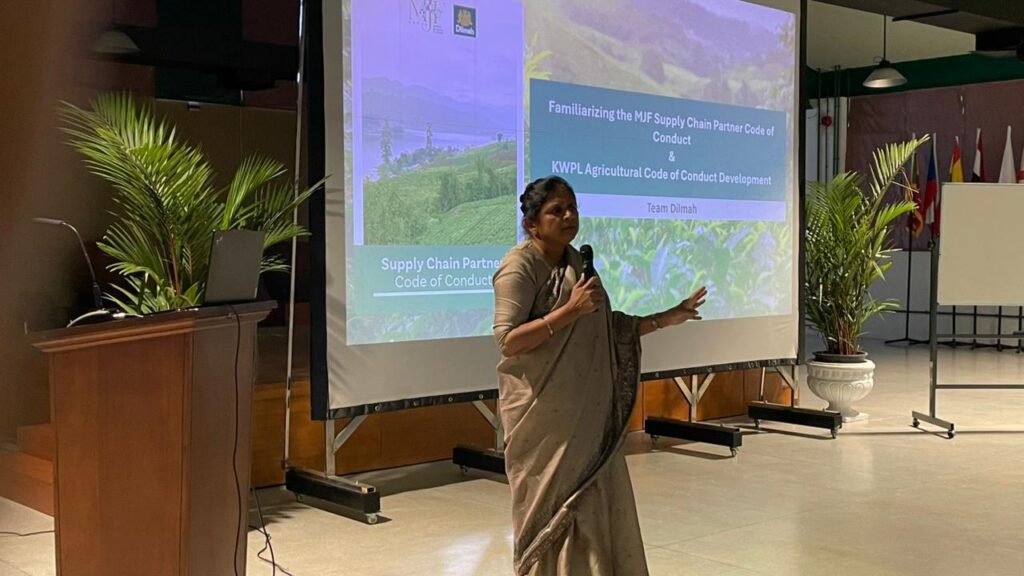
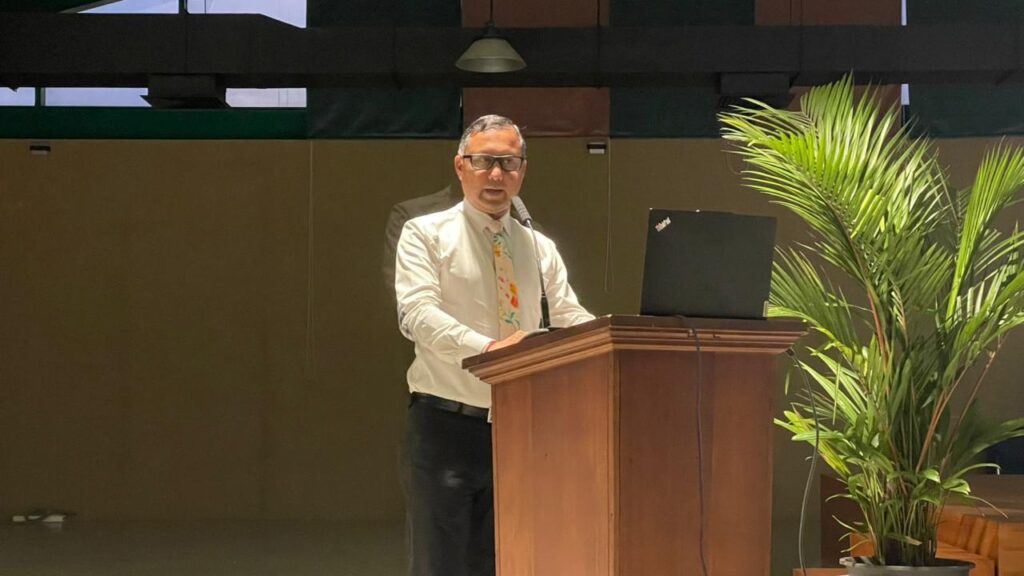
Adding to this, Mr. Binesh, CEO of Kahawatte Plantations offered valuable insights from the estate perspective, speaking openly about day-to-day realities on the ground, reminding us that true sustainability must be practical, measurable, and supportive of those who work closest to the land.
Through the continued efforts of Dilmah Conservation and the MJF Charitable Foundation, we remain committed to addressing environmental, social, and governance priorities across our value chain.
But what this event reinforced is simple: sustainability is not a department or a checklist. It is a shared commitment.
A commitment to safeguarding consumer health, protecting farmer livelihoods, and preserving the environment are deeply connected.